At Mana Vantillu (Our Kitchen), we believe that food is not just about taste-it is about health, balance, budgeting, sustainability, and mindful living. As a nutritionist, mother, home maker, chef, yoga practitioner, doctor-at-heart, and lifestyle blogger, I can confidently say one thing: eating seasonal fruits is one of the simplest and most powerful lifestyle upgrades you can make.
In today’s world of imported produce and cold storage foods, we often forget what nature intended-fresh fruits grown in the right season, for the right climate, for the right body needs. This blog is not generic fruit advice; it is a grounded, Indian-kitchen-friendly, health-forward guide to help you eat smarter, live lighter, and spend wiser.
Background: Why Seasonal Fruits Matter More Than Ever
Traditionally, our grandparents didn’t need diet charts. They ate what grew naturally around them. Modern nutrition science now confirms what ancient wisdom already knew:
- Seasonal fruits are nutritionally superior
- They are easier to digest
- They support seasonal immunity
- They are more affordable
- They require less chemical preservation
- They align with Ayurveda and circadian nutrition
From a doctor’s perspective, seasonal fruits reduce digestive stress. From a yoga and wellness lens, they maintain dosha balance. From a homemaker’s budget view, they save money. And from a chef’s heart-they simply taste better.
How to Read This Guide
For each fruit, you’ll find:
- Key nutrients
- Health benefits
- Best time to eat
- Kitchen & lifestyle tips
This is real-life knowledge you can apply daily, not textbook theory.
1. Mango – The King of Fruits (Summer)
Nutrients: Vitamin A, Vitamin C, natural sugars, fiber
Health Benefits:
- Boosts immunity and skin health
- Supports eye health
- Provides natural energy
Best Tip from Our Kitchen:
Eat mango before noon, preferably alone or with soaked nuts. Avoid milkshakes daily-fresh mango slices are easier on digestion.
2. Watermelon – Summer Hydration Hero
Nutrients: Water (92%), lycopene, Vitamin C
Health Benefits:
- Prevents dehydration
- Cools the body
- Supports kidney health
Doctor’s Note:
Always eat watermelon alone, never after meals. Mixing causes bloating and fermentation.
3. Muskmelon (Cantaloupe)
Nutrients: Potassium, Vitamin A, Vitamin C
Health Benefits:
- Improves digestion
- Keeps skin fresh
- Helps control blood pressure
Yoga Tip:
Perfect for hot climates-eat in the morning for cooling prana energy.
4. Papaya – Digestive Cleanser
Nutrients: Papain enzyme, fiber, Vitamin C
Health Benefits:
- Improves gut health
- Reduces constipation
- Supports weight management
Mother’s Advice:
A bowl of ripe papaya at breakfast keeps children’s digestion smooth naturally.
5. Pineapple – Anti-Inflammatory Fruit
Nutrients: Bromelain enzyme, manganese
Health Benefits:
- Reduces joint inflammation
- Improves protein digestion
- Boosts immunity
Kitchen Tip:
Avoid salt and chili on pineapple if you have acidity issues.
6. Lychee – Seasonal Energy Booster
Nutrients: Vitamin C, antioxidants
Health Benefits:
- Enhances immunity
- Supports blood circulation
Important Caution:
Eat in moderation and never on an empty stomach, especially for children.
7. Jackfruit – Traditional Superfood
Nutrients: Fiber, Vitamin B6, potassium
Health Benefits:
- Improves gut health
- Supports muscle function
- Keeps you full longer
Chef’s Insight:
Raw jackfruit is excellent for curries; ripe jackfruit satisfies sweet cravings naturally.
8. Banana – All-Season Energy Fruit
Nutrients: Potassium, Vitamin B6, carbs
Health Benefits:
- Supports heart health
- Reduces muscle cramps
- Calms the nervous system
Yoga Trainer Tip:
Eat bananas post-workout or as a pre-yoga snack-not after heavy meals.
9. Guava – Vitamin C Powerhouse
Nutrients: Vitamin C (4x orange), fiber
Health Benefits:
- Strengthens immunity
- Improves digestion
- Controls blood sugar
Lifestyle Tip:
Eat with peel (washed well) for maximum fiber.
10. Apple – Gut & Heart Friendly
Nutrients: Pectin fiber, antioxidants
Health Benefits:
- Regulates cholesterol
- Improves gut microbiome
Doctor’s Advice:
An apple between meals stabilizes blood sugar better than fruit desserts.
11. Orange – Winter Immunity Shield
Nutrients: Vitamin C, flavonoids
Health Benefits:
- Prevents infections
- Improves skin elasticity
Best Practice:
Eat whole fruit, not juice-fiber matters.
12. Sweet Lime (Mosambi)
Nutrients: Vitamin C, electrolytes
Health Benefits:
- Aids digestion
- Prevents dehydration
Home Remedy Tip:
Excellent for recovery during fever or weakness.
13. Pomegranate – Blood Builder
Nutrients: Iron-supporting compounds, antioxidants
Health Benefits:
- Improves hemoglobin
- Supports heart health
Mother’s Tip:
Best fruit for teenage girls and post-pregnancy recovery.
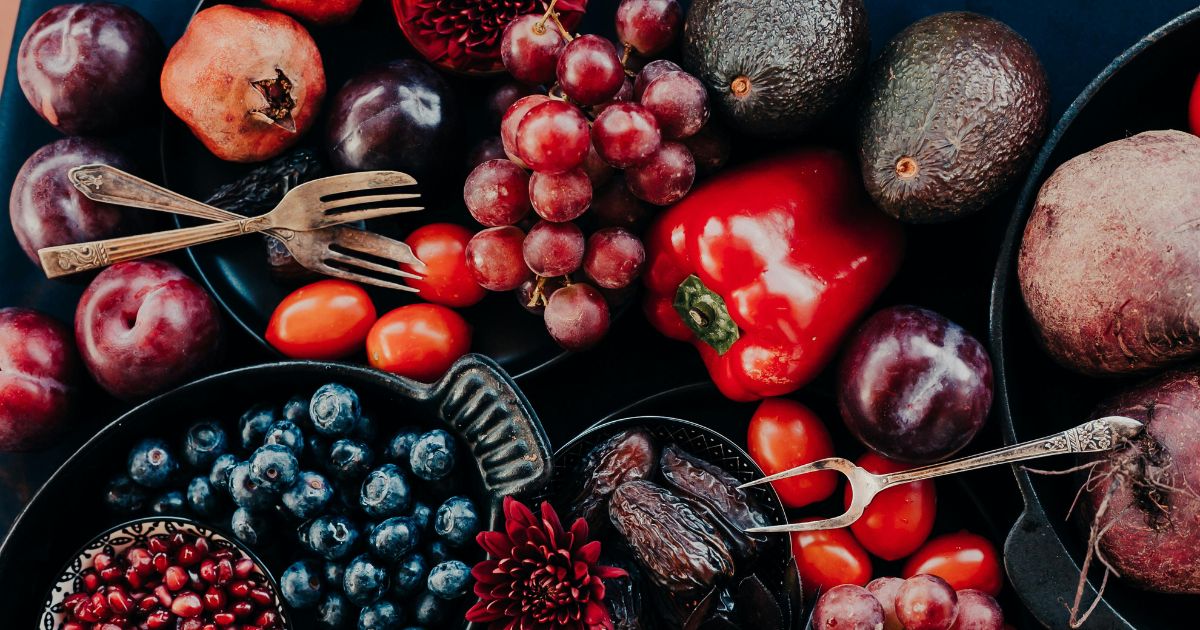
14. Grapes – Antioxidant Rich
Nutrients: Resveratrol, Vitamin K
Health Benefits:
- Improves circulation
- Supports heart health
Caution:
Avoid at night if prone to cold or sinus.
15. Strawberry – Skin & Heart Fruit
Nutrients: Vitamin C, polyphenols
Health Benefits:
- Improves skin glow
- Reduces inflammation
Budget Tip:
Buy local strawberries in season-they’re cheaper and sweeter.
16. Blueberries – Brain Food
Nutrients: Anthocyanins
Health Benefits:
- Improves memory
- Slows aging
Modern Nutrition Insight:
Frozen blueberries retain nutrients well-good off-season option.
17. Pear – Gentle Detox Fruit
Nutrients: Fiber, potassium
Health Benefits:
- Soothes digestion
- Supports liver health
18. Custard Apple (Sitaphal)
Nutrients: Magnesium, Vitamin B6
Health Benefits:
- Improves mood
- Boosts energy
Mother’s Note:
Excellent for children who are underweight.
19. Kiwi – Gut & Immunity Booster
Nutrients: Vitamin C, digestive enzymes
Health Benefits:
- Improves bowel movement
- Strengthens immunity
20. Cherries – Sleep & Recovery Fruit
Nutrients: Melatonin, antioxidants
Health Benefits:
- Improves sleep quality
- Reduces muscle soreness
How to Choose Quality Fruits (Material & Safety Expert Advice)
- Prefer local, seasonal produce
- Avoid overly shiny fruits (waxed)
- Smell matters-natural aroma = freshness
- Store fruits in steel or ceramic bowls, not plastic
- Avoid cutting fruits too early-oxidation reduces nutrition
Money Management Tip for Families
Buying seasonal fruits:
- Costs 30-50% less
- Reduces medical expenses long-term
- Cuts down on supplements
Health saved is money earned.
Final Thoughts from Mana Vantillu
Seasonal fruits are not a trend-they are a lifestyle correction. When eaten mindfully, they heal digestion, balance hormones, nourish skin, support immunity, and keep families healthier without expensive diets.
At Mana Vantillu (Our Kitchen), we encourage you to return to simple, seasonal, soulful eating-because real wellness starts in your kitchen, not a pharmacy.
If you enjoyed this guide, bookmark it, share it with your family, and start building healthier food habits-one fruit, one season at a time.