As a nutritionist, mother, and a doctor, I’ve seen firsthand how a simple lack of one mineral can turn a vibrant life into a cycle of exhaustion. In our kitchen-Mana Vantillu-food isn’t just about satisfying hunger; it’s about “Prana” (life force). If you’ve been feeling unusually tired, struggling with “brain fog,” or noticing your hair thinning, your body might be whispering a request for more iron.
Iron is the silent engine of our existence. It sits at the heart of hemoglobin, the protein in your red blood cells that carries oxygen from your lungs to every single cell in your body. Without enough of it, your cells are essentially gasping for air.
Whether you are a busy home-maker, an athlete, or a student, understanding how to fuel your blood is the ultimate “money management” for your health. Let’s dive deep into the best sources of iron and how to cook them to ensure your body actually absorbs every milligram.
The Science of Iron: Heme vs. Non-Heme
Before we look at the list, as a nutritionist, I must clarify that not all iron is created equal.
- Heme Iron: Found in animal products (meat, poultry, fish). Your body absorbs about 15-35% of this iron.
- Non-Heme Iron: Found in plant-based foods. The absorption rate is lower (about 2-10%).
Chef’s Secret: To unlock plant-based iron, you must pair it with Vitamin C (like a squeeze of lemon or a side of bell peppers). This simple trick can triple your absorption!
The Top 18 Iron-Rich Powerhouses
1. Organic Spinach (The Leafy Legend)
Spinach isn’t just for Popeye. It is packed with non-heme iron and antioxidants. Pro Tip: Don’t eat it raw if you want the iron. Cooking spinach lightly breaks down oxalates that otherwise block iron absorption. A quick sauté in a cast-iron skillet is the way to go.
2. Liver and Organ Meats
As a doctor, I often call liver “nature’s multivitamins.” It is arguably the most concentrated source of heme iron. Chicken or beef liver provides a massive boost, along with B12 and Vitamin A. If the taste is too strong, finely mince it and mix it into your regular ground meat dishes.
3. Legumes (Lentils and Dal)
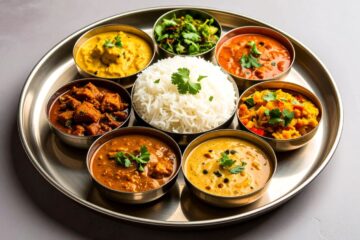
At Mana Vantillu, we love our dals. Lentils are a staple for a reason. They provide a significant amount of iron and fiber, keeping your gut healthy and your energy stable.
4. Red Meat (Grass-fed Beef or Lamb)
For those who eat meat, a small portion of lean red meat is one of the most accessible ways to prevent anemia. It provides high-quality protein and zinc alongside iron.
5. Pumpkin Seeds (The Crunchy Snack)
Don’t throw away those seeds! Just a handful of roasted pumpkin seeds contains more iron than many meat sources. They are also rich in magnesium, which helps with sleep and muscle recovery-perfect for your post-yoga snack.
6. Quinoa (The Super Grain)
Quinoa is a “complete protein,” meaning it has all nine essential amino acids. It’s also gluten-free and significantly higher in iron than traditional grains like rice or wheat.
7. Turkey (Especially Dark Meat)
Turkey isn’t just for holidays. Dark turkey meat is a great source of heme iron. As a chef, I find it juicier and more flavorful than the breast, making it a better choice for iron-rich stews.
8. Broccoli
While it has less iron than spinach, broccoli is the “smart” vegetable because it comes pre-packaged with Vitamin C. This means the iron it does have is more likely to be absorbed by your body.
9. Tofu and Soybeans
For my vegan friends, tofu is a lifesaver. It’s incredibly versatile. Whether you scramble it for breakfast or grill it for dinner, it provides a steady source of non-heme iron.
10. Shellfish (Clams, Oysters, Mussels)
Oysters and clams are iron mines. In fact, some varieties of clams can provide over 100% of your daily iron requirement in one serving. They are also packed with Vitamin B12.
11. Dark Chocolate (The Sweet Medicine)
Yes, you read that right! High-quality dark chocolate (at least 70% cocoa) is surprisingly rich in iron. As a life coach, I believe in balance-a small square of dark chocolate is great for both your mood and your blood.
12. Cashews and Pistachios
Nuts are a convenient way to boost iron on the go. Cashews, in particular, are a great source. Just be mindful of portion sizes as they are calorie-dense.
13. Amaranth (Rajgira)
This ancient grain is a powerhouse. It is naturally gluten-free and contains significantly more iron than most other cereals. It’s a wonderful addition to porridges or as a flour substitute.
14. Garden Cress Seeds (Ahaliv)
In traditional Indian homes, we make “Ahaliv Laddu” for new mothers. These tiny seeds are one of the most potent plant-based sources of iron known to man. Soak them in water or coconut water before use.
15. Sesame Seeds (Til)
Adding a tablespoon of sesame seeds to your salad or using Tahini in your hummus can quietly boost your daily iron intake. They also provide a good dose of calcium.
16. Dried Apricots and Prunes
Dried fruits are concentrated sources of nutrients. Apricots and prunes are excellent for iron, but because they are high in sugar, they should be eaten in moderation.
17. Spirulina
This blue-green algae is often sold as a powder. It is incredibly nutrient-dense. Adding a teaspoon to your morning smoothie can give you a massive iron and protein jumpstart.
18. Molasses (Blackstrap)
Blackstrap molasses is what remains after the sugar extraction process. It is rich in minerals, including iron, calcium, and potassium. Use it as a sweetener in baking or stir a spoonful into warm milk.
Cooking for Maximum Absorption: The Mana Vantillu Way
As a maker of a home and an expert in utensil quality, I cannot stress this enough: The vessel you cook in matters.
- The Cast Iron Advantage: Using a traditional cast iron skillet (Loha Patra) for cooking acidic foods like tomato-based curries can actually increase the iron content of your food. The iron from the pan leaches into the food in a healthy, bioavailable way.
- The Vitamin C Rule: Always add a dash of lime juice after you turn off the heat. Heat can destroy Vitamin C, so adding it at the end ensures it stays active to help you absorb the iron from your greens and dals.
- Avoid the “Iron Blockers”: Tea and coffee contain tannins that bind to iron and prevent absorption. Try to wait at least one hour after a meal before having your tea or coffee.
A Note from the Doctor & Life Coach
If you are constantly tired, don’t just “push through it.” It’s not a lack of willpower; it might be a lack of minerals. However, more is not always better. Iron overload can be dangerous. Always consult with a healthcare professional before starting high-dose iron supplements. Focus on getting your nutrients from the “Mana Vantillu”-the kitchen-first.
When we eat well, we think well, and we live well. Investing in high-quality ingredients and the right cooking techniques is the best financial and emotional investment you can make for your family.