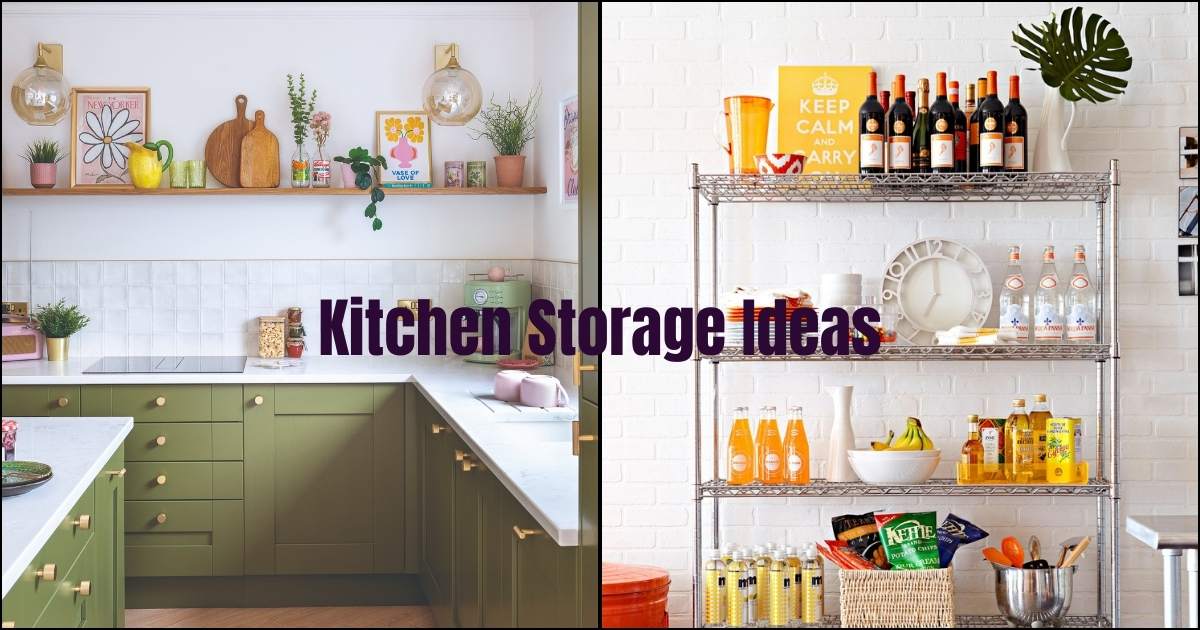
Why kitchen storage matters
A well-stored kitchen is quietly powerful: it saves time, reduces food waste, protects your cookware, and makes everyday cooking a calmer, more joyful ritual. As a nutritionist, homemaker, mother, chef, yoga trainer, life coach, doctor, money manager, foodie, utensil-quality expert and lifestyle blogger rolled into one voice, I’ve learned that the best storage solutions are the ones that respect food safety, protect expensive cookware, support healthy habits, and fit real family routines – not the latest trend that looks pretty but adds friction.
This post rewrites and refreshes common storage advice into a single, kitchen-ready playbook for Mana Vantillu (Our Kitchen). You’ll get 12 proven storage ideas, why they work (science + common sense), step-by-step setup tips, product and material recommendations, cleaning and safety guidance, a printable shopping/checklist table, and a 30-day plan to transform your kitchen without stress.
How to use this guide
- Read the quick background so you understand why the idea matters.
- Use the Setup Steps under each idea for practical action.
- Check the Utensil & Material Notes to protect your cookware.
- Use the table near the end to compare options and build your shopping list.
- Follow the 30-day plan to implement changes slowly and sustainably.
Quick background: the principles that make storage work
Before the tips, a short checklist of principles I use in every kitchen I help design:
- Accessibility beats perfection. Items you use daily should be within arm’s reach.
- Visibility reduces waste. See what you have – you’ll stop buying duplicates and food will be used before spoilage.
- Protect materials. Copper, cast iron, nonstick and wood need different care.
- Food safety first. Airtightness, temperature control and proper separation (raw vs cooked) prevent spoilage and contamination.
- Budget smart. Buy a few high-quality organizers and repurpose household items rather than buying every trendy gadget.
- Simplicity & habit. Storage works when family members can use and return things without a manual.
Keep these in mind as you read the 12 ideas below – each one is chosen to honor one or more of these principles.
The Best 12 Kitchen Storage Ideas
1. Zone your kitchen – make every item have a home
Why it matters: Zoning groups tasks (prep, cooking, baking, storage) and puts tools next to where you use them. This reduces step counts and decision fatigue.
How to set it up:
- Cooking zone: pots, spatulas, lids, salt & oil near the stove.
- Prep zone: knives, chopping boards, mixing bowls near counter space.
- Baking zone: measuring cups, flours, baking trays in one cabinet.
- Coffee & breakfast zone: mugs, cereals, teas in a small shelf or basket near the kettle.
Utensil & material notes: Keep wooden utensils and cutting boards away from damp areas; store cast iron near the stove but not in humid closed cabinets.
2. Use clear, stackable, airtight containers for dry goods
Why it matters: Airtight containers keep grains, flours, spices and pulses fresher, prevent pests, and improve visibility so you use what you have.
Setup steps:
- Choose BPA-free clear plastic or glass jars with silicone seals.
- Label content and date of opening. Use chalkboard labels or a small printed sticker.
- Store heavy items (rice, wheat) at lower shelves; lighter items up top.
Utensil & material notes: Glass is inert and best for long-term storage; plastic is lighter but watch for stains (turmeric). For frequent use, wide-mouth jars save time.
Money tip: Buy versatile sizes (1L, 2L, 5L). Reuse jars from store-bought products after sanitizing.
3. Slim vertical pull-out pantry or wire racks
Why it matters: Small kitchens gain huge capacity with slim pull-outs for spices, oil bottles and sachets – they use dead narrow space and make items visible.
Setup steps:
- Install a slim pull-out next to the fridge or between the oven and counter.
- Use adjustable shelves for bottles and jars.
Utensil note: Keep glass bottles for oils upright and away from heat (not above the stove).
4. Drawer organizers & multi-tier cutlery trays
Why it matters: Drawers can become chaotic. Organizers keep knives, measuring spoons and gadgets in place and protect blade edges.
Setup steps:
- Use bamboo or silicone organizers that fit your drawer depth.
- Allocate one tray to everyday cutlery and another to utensils you use weekly.
Material tip: Bamboo is antimicrobial and gentle on stainless steel. Avoid metal trays that rattle and scratch.
5. Wall rails & magnetic strips (for knives & metals)
Why it matters: Wall rails and magnetic knife strips free counter space, keep knives dry and accessible, and look tidy.
Setup steps:
- Mount a magnetic strip at eye level near the prep area.
- Keep knives out of reach of children; mount above 1.5m if you have toddlers.
Utensil note: Magnetic strips are fine for most knives but avoid for delicate Japanese steel blades that can chip – use a wooden knife block for those.
6. Hanging pot racks or pegboards for frequently used cookware
Why it matters: Pots and pans take bulky cabinet space. Hanging them saves cabinet room and lets air dry faster (good for cast iron).
Setup steps:
- If ceiling mounting isn’t possible, install a wall-mounted rack or sturdy pegboard.
- Keep lids stored vertically or on lid racks.
Utensil tip: For nonstick pans, use shelf liners or hang by handles. Avoid stacking nonstick directly – use felt or silicone protectors.
7. Under-sink pull-out trays and vertical separators
Why it matters: The under-sink cabinet is messy due to pipes. Pull-out trays and vertical dividers make cleaning supplies tidy and accessible.
Setup steps:
- Add a shallow pull-out tray for sprays and cleaners.
- Use a vertical rack for baking sheets and cutting boards.
Safety note (doctor & mother): Keep chemicals locked or high if children are present. Use childproof latches.
8. Refrigerator zones & clear bins for meal prep
Why it matters: Refrigerator organization prevents food spoilage and streamlines meal prep.
Setup steps:
- Top shelf: ready-to-eat foods and cooked meals.
- Middle: dairy and eggs.
- Bottom: raw meat (in a tray).
- Drawers: one for fruits, one for veg.
- Use clear bins for snacks and prepped items labeled with dates.
Nutritionist tip: Keep a “eat first” bin for items nearing expiry to reduce waste. Use small airtight containers for batch-cooked sauces.
9. Over-the-door racks & inside-cabinet door organizers
Why it matters: Doors are dead space – convert them into spice racks, wrap dispensers, or lid holders.
Setup steps:
- Install slim racks inside cabinet doors for foil, cling film, and spice jars.
- Use adhesive hooks for aprons and towels.
Utensil note: Adhesive products should be tested on inconspicuous places to avoid finish damage.
10. Multi-purpose baskets and roll-out bins for pantry rotation
Why it matters: Baskets corral similarly used items (baking, snacks, breakfast) and make rotation and shopping lists easier.
Setup steps:
- Label baskets and stack on pantry shelves.
- Keep one “low stock” basket to collect items to be reordered.
Money tip: Rattan or fabric baskets are affordable and pretty; use plastic crates for heavy bulk.
11. Clear lazy Susans and tiered spice racks
Why it matters: Corner cabinets and deep cupboards hide items. Lazy Susans and tiered racks bring them forward instantly.
Setup steps:
- Place a clear rotating tray inside a lower cabinet for oils and frequently used condiments.
- Use tiered spice racks in a cupboard or on a countertop.
Utensil note: Keep oils and spices away from direct heat to preserve flavor and lifespan.
12. Vacuum sealing & portioned freezing containers for bulk buys
Why it matters: Buying in bulk saves money – vacuum sealing extends life and portioning prevents waste.
Setup steps:
- Portion pulses, flours and meats before freezing.
- Use vacuum sealers or good quality freezer bags and label with date.
Food safety note (doctor): Follow freezer storage times (e.g., ground meat 3–4 months) and thaw safely in the fridge.
Quick comparison table – which storage fits your kitchen?
| Idea | Best Use | Cost Level | Material Safe For | Kid-Friendly | Time to Implement |
| Zone your kitchen | Workflow & daily ease | Free | All | Yes | 1–2 hours |
| Airtight containers | Dry goods, pests | Low–Medium | Glass/Plastic | Yes | 1–3 hours |
| Slim pull-out pantry | Narrow spaces | Medium | Metal/Wood | Yes | 1–2 hours |
| Drawer organizers | Cutlery, gadgets | Low | Bamboo/Silicone | Yes | 30–60 min |
| Magnetic strip | Knives | Low | Metal | No (safety) | 30 min |
| Hanging pot rack | Pans, lids | Medium | Metal | No (safety) | 1–3 hours |
| Under-sink pull-out | Cleaning supplies | Low–Medium | Plastic/Metal | No (lock) | 1 hour |
| Fridge bins | Meal prep | Low | Plastic/Glass | Yes | 30 min |
| Door racks | Wraps, spices | Low | Metal/Plastic | Yes | 30–60 min |
| Baskets & bins | Pantry rotation | Low | Wicker/Plastic | Yes | 30–60 min |
| Lazy Susans | Corners & condiments | Low | Plastic/Glass | Yes | 15–30 min |
| Vacuum sealing | Bulk & freezer | Medium | Plastic | Yes | 1–2 hours |
30-Day Implementation Plan
Week 1: Zone your kitchen and do a 30-minute declutter. Install drawer organizers.
Week 2: Buy/convert airtight containers for dry goods and label them. Add fridge bins.
Week 3: Install rails, magnetic strip or lazy Susan; set up under-sink organization.
Week 4: Introduce hanging rack or pegboard if space allows; vacuum seal bulk items and create your shopping rotation.
This gradual approach builds habits so everyone in the household adapts.
Cleaning, maintenance & utensil care
- Glass jars: Wash in hot soapy water; air dry fully before sealing.
- Cast iron: Avoid dishwasher; store dry and lightly oiled.
- Nonstick: Avoid stacking without protectors; use silicone protectors or soft liners.
- Wood: Don’t soak; wash and dry promptly; oil cutting boards monthly with food-grade oil.
- Fabric baskets & microfiber cloths: Machine wash cold; avoid bleach for colored fabrics.
Budget hacks & sustainability tips
- Reuse jars and tins from groceries; sanitize and relabel.
- Buy multi-purpose organizers – one good set of glass jars covers many uses.
- Choose fewer high-quality items (like one good vacuum sealer) over many single-use gadgets.
- Swap plastic bags for reusable silicone bags and cloth produce bags.
Final thoughts
Storage is not a one-time decorative project – it’s an on-going living system. Start with one zone, get the family into the habit of returning items to their homes, and upgrade slowly. The joy of a well-organized Mana Vantillu kitchen is the time you get back, the food you stop wasting, and the ease with which you can cook nourishing meals.