Acidity is one of the most common digestive complaints across every age group. After a heavy meal, a late dinner, a stressful workday, or simply a strong cup of coffee, that burning sensation behind the breastbone or the sour taste creeping up the throat is something most of us know well. The stomach produces acid to digest food, that is normal and necessary. The problem begins when that acid travels where it should not, or when the body produces more than it needs.
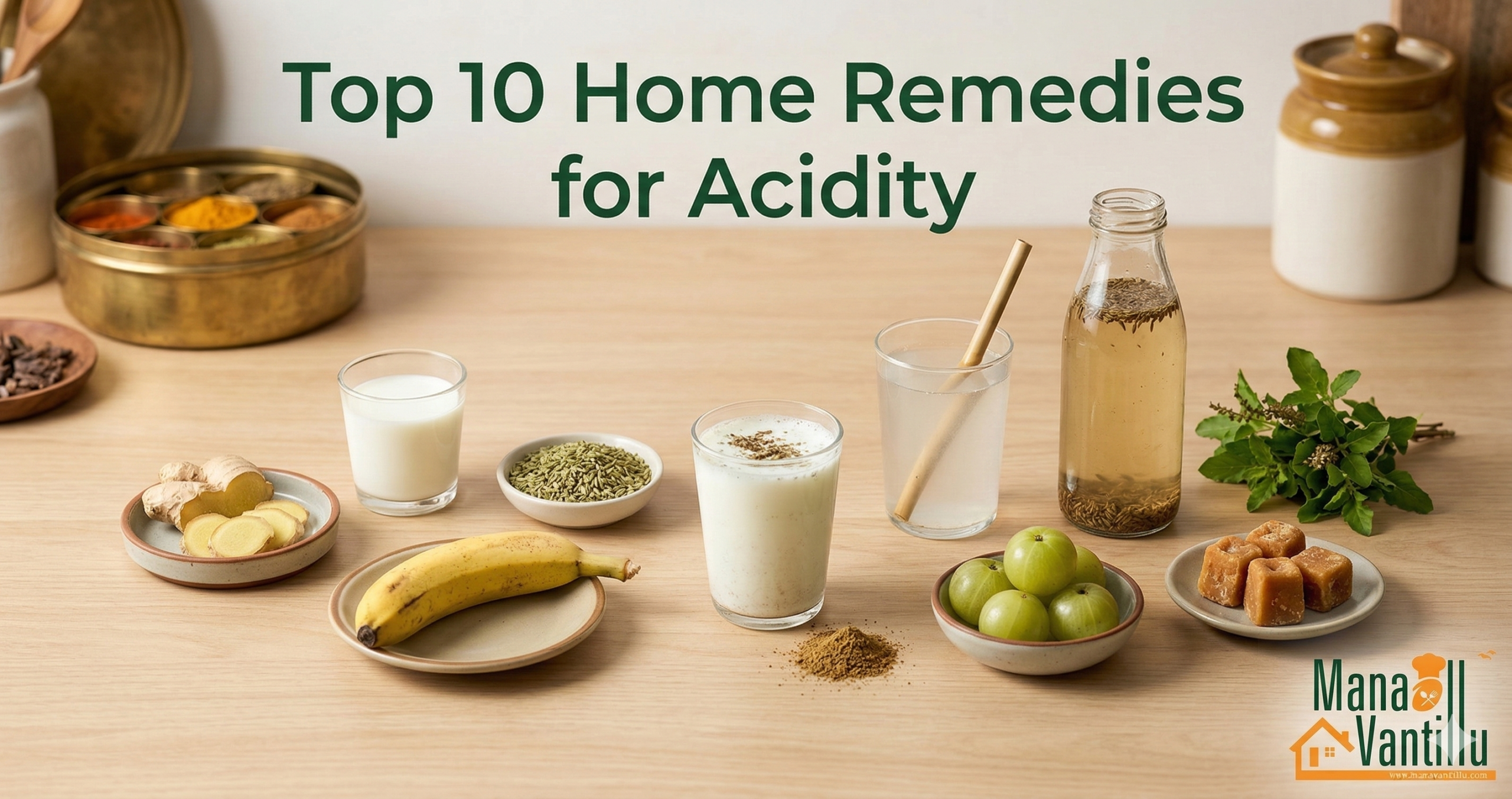
The top 10 home remedies for acidity in this guide are kitchen-friendly, evidence-informed, and practical. They are designed for occasional and mild heartburn, the kind triggered by specific meals, stress, or disrupted sleep routines. Each remedy comes with an immediate step you can try today and a longer-term habit to reduce how often acidity returns.
A note before you begin: these remedies support mild, occasional acidity. They are not treatments for diagnosed GERD or persistent reflux. If your symptoms are severe, frequent, or unusual, please see a doctor.
- Warm water or diluted lemon water, Helps flush the esophagus and supports digestion when consumed warm and in small quantities.
- Sugar-free gum after meals, Stimulates saliva production, which naturally neutralizes and clears stomach acid from the esophagus.
- Ginger tea or fresh ginger, May soothe stomach discomfort, reduce nausea, and support digestive motility.
- Baking soda dissolved in water, Acts as a rapid short-term antacid; must be used occasionally and with care due to sodium content.
- Food-grade aloe vera juice, Has a soothing effect on the esophageal lining when taken in small, recommended amounts.
- Diluted apple cider vinegar, May support digestion for some users when taken before meals; requires careful, cautious testing.
- Elevated sleeping position and no late meals, Positional and timing adjustments significantly reduce overnight and morning reflux.
- Alkaline, low-fat snacks, Bananas, oatmeal, and similar foods buffer stomach acid and reduce irritation after trigger meals.
- Avoid trigger foods and eat mindfully, Smaller meals, slower chewing, and eliminating personal triggers reduce frequency substantially.
- Probiotic-rich foods and plain yogurt, Supports gut microbiome health, which influences acid production and digestive regularity.
1 – Warm Water or Diluted Lemon Water
Starting with something as simple as water is not dismissive, it is genuinely effective for mild acidity. Warm water helps flush residual acid from the esophagus and can calm the irritation that follows a heavy or acidic meal. Adding a small squeeze of lemon, perhaps a quarter of a lemon in a full glass of warm water, changes the chemistry in an interesting way. Although lemon is acidic outside the body, it produces an alkaline ash during digestion that may help neutralize excess stomach acid in some individuals [source: year].
The key is dilution. Undiluted lemon juice can worsen esophageal irritation. Warm water alone is a safe, zero-risk starting point for anyone experiencing mild discomfort.
Quick real-world example: Many readers find that drinking a glass of warm water at the first sign of heartburn, before reaching for an antacid tablet, provides enough relief to manage mild episodes through the afternoon.
How to use it:
- Quick win (0–14 days): At the first sign of acidity, sip one glass of warm (not hot) water slowly over 5–10 minutes. Add a small squeeze of lemon if tolerated. Do this before any meal that historically causes discomfort.
- Scale action (30–90 days): Begin each morning with warm water, plain or with lemon, before coffee or tea. Track whether morning acidity frequency decreases over 4 weeks.
- Practical tip: Keep a small insulated bottle of warm water at your desk or kitchen counter so the habit requires no preparation.
2 – Chew Sugar-Free Gum After Meals
Chewing gum stimulates the salivary glands to produce more saliva. Saliva is naturally alkaline, it contains bicarbonate, which neutralizes acid in the esophagus and helps clear it back into the stomach [source: year]. Several small studies suggest that chewing gum for 30 minutes after a meal can significantly reduce esophageal acid exposure, particularly in people who experience post-meal reflux.
Choose sugar-free gum to avoid additional sugar intake and dental concerns. Avoid spearmint or peppermint-flavored gum, mint can relax the lower esophageal sphincter and actually worsen reflux symptoms in some people.
How to use it:
- Quick win (0–14 days): After lunch or dinner, especially meals that include fried, spicy, or acidic foods, chew one piece of sugar-free (non-mint) gum for 20–30 minutes.
- Scale action (30–90 days): Make post-meal gum chewing a consistent habit after your two largest meals. Observe whether post-meal heartburn frequency reduces over 3–4 weeks.
- Practical tip: Keep a pack in your bag, car, or desk drawer so it is always within reach after meals away from home.
3 – Ginger Tea or Fresh Ginger
Ginger has been used for digestive discomfort across cultures for centuries, and modern research is beginning to validate why. Ginger contains compounds called gingerols and shogaols that have anti-inflammatory properties and may support gastric motility, helping food move through the stomach more efficiently and reducing the pressure that contributes to reflux [source: year]. It also has mild anti-nausea effects, which makes it particularly useful when acidity is accompanied by queasiness.
Fresh ginger is more potent than powdered; ginger tea made from a 1-inch piece of fresh, peeled ginger steeped in hot water for 5–10 minutes is a practical daily preparation.
Quick real-world example: Many people report less post-meal heartburn after making ginger tea a regular evening habit, particularly after dinner, which tends to be the largest and heaviest meal of the day.
How to use it:
- Quick win (0–14 days): Brew fresh ginger tea 20–30 minutes before a meal you expect to cause acidity, or immediately after symptoms begin.
- Scale action (30–90 days): Replace one daily coffee or caffeinated tea with ginger tea. Monitor symptom frequency and intensity over 30 days.
- Safety note: Ginger is generally well-tolerated, but very high amounts can cause mouth irritation or worsen heartburn in rare cases. Start with a small amount and adjust to your tolerance.
4 – Baking Soda Dissolved in Water
Sodium bicarbonate, baking soda, is a natural antacid. When dissolved in water and consumed, it directly neutralizes stomach acid by reacting with hydrochloric acid to produce water, carbon dioxide, and sodium chloride [source: year]. The relief is fast , typically within 5–15 minutes, which is why this remedy has been used for generations as an emergency measure for acute heartburn.
The caution is important: baking soda is high in sodium and should not be used regularly. It is an acute, occasional measure, not a daily habit.
How to use it:
- Quick win (0–14 days): Dissolve ½ teaspoon of baking soda in a full glass (8 oz) of water. Stir until fully dissolved and sip slowly. Use only when experiencing acute discomfort, not more than once or twice per week.
- Scale action (30–90 days): Use baking soda only as a backup when other remedies are unavailable. If you are reaching for it frequently, that is a sign symptoms need medical review, not more baking soda.
- Safety note: Do not use if you are on a low-sodium diet, are pregnant, or have kidney or heart conditions. Avoid using immediately after a large meal, the carbon dioxide produced can cause uncomfortable bloating.
5 – Food-Grade Aloe Vera Juice
Aloe vera has long been recognized for its soothing properties on irritated tissues. Food-grade aloe vera juice, distinct from topical aloe vera gel, may help soothe inflammation along the esophageal lining that chronic mild reflux causes [source: year]. Small studies suggest it can reduce the frequency of several GERD symptoms including heartburn, belching, and nausea.
The critical qualifier is food-grade, many aloe vera products contain aloin, a laxative compound found in the outer leaf that can cause diarrhea and cramping. Look specifically for products labeled “inner leaf” or “aloin-free.”
How to use it:
- Quick win (0–14 days): Take 1–2 tablespoons of food-grade, aloin-free aloe vera juice diluted in water before meals. Assess your individual response over 5–7 days.
- Scale action (30–90 days): If tolerated well, continue a small daily dose before the largest meal of the day and observe whether overall reflux frequency decreases.
- Safety note: Start with a very small amount. Aloe vera can interact with some medications and is not recommended during pregnancy. Consult your doctor if you are on prescribed medication.
6 – Diluted Apple Cider Vinegar
Apple cider vinegar (ACV) for acid reflux is genuinely counterintuitive, using an acid to treat excess acid seems illogical. The proposed mechanism is that for some people, reflux may be associated with insufficient stomach acid rather than too much, and ACV may help stimulate proper digestive function [source: year]. However, the evidence is mixed and individual responses vary significantly. Some people experience clear relief; others find it worsens symptoms.
The rule is: test it cautiously, dilute it properly, and stop immediately if discomfort increases.
How to use it:
- Quick win (0–14 days): Mix 1 teaspoon of raw, unfiltered ACV in a full glass of water. Drink 15–20 minutes before a meal. If symptoms worsen or the burning increases, discontinue immediately.
- Scale action (30–90 days): If the small test dose is well-tolerated, continue before meals for 3–4 weeks and track whether post-meal reflux frequency changes.
- Safety note: Never drink ACV undiluted, it can damage tooth enamel and the esophageal lining. Do not use if you have active esophageal irritation, ulcers, or are on blood sugar medications.
7 – Elevate Your Head While Sleeping and Avoid Late Meals
Nighttime and early-morning acidity is almost always positional. When you lie flat, gravity no longer helps keep stomach acid where it belongs. Studies consistently show that elevating the head of the bed by 6–8 inches significantly reduces overnight acid exposure in the esophagus [source: year]. Equally important: eating within 2–3 hours of lying down gives stomach acid more opportunity to travel upward.
This is a behavioral remedy, no ingredients required, and the results can be noticeable within the first week.
How to use it:
- Quick win (0–14 days): Place bed risers or a firm wedge pillow under the head of your mattress to elevate it 6–8 inches. Aim to finish your last meal at least 2–3 hours before bed.
- Scale action (30–90 days): Make both changes permanent habits. Track morning heartburn frequency over 30 days and compare to your baseline.
- Practical tip: Sleeping on your left side, rather than the right, may also reduce reflux symptoms by positioning the stomach below the esophagus.
8 – Eat Alkaline, Low-Fat Snacks After Trigger Meals
Certain foods naturally buffer stomach acid and coat the esophageal lining. Bananas contain natural antacids and are one of the few fruits that do not trigger reflux in most people. Oatmeal is low in fat and high in fiber, which supports consistent digestive motility. Plain crackers, melon, and cooked root vegetables similarly provide a mild alkaline buffer after acidic or fatty meals [source: year].
This remedy is less about immediate relief and more about reducing the intensity of acidity when you know a trigger meal is coming.
How to use it:
- Quick win (0–14 days): After a spicy or heavy meal, have a small banana or a bowl of plain oatmeal within 30 minutes. Observe whether post-meal reflux is reduced.
- Scale action (30–90 days): Replace afternoon snacks with alkaline options (banana, melon, plain crackers) as a consistent dietary shift. Track overall acidity frequency monthly.
- Practical tip: Keep a banana or small pack of plain crackers in your bag, an accessible alkaline snack after a restaurant or canteen meal prevents the reactive reach for an antacid.
9 – Avoid Trigger Foods and Eat Mindfully
The most consistent long-term predictor of reduced acidity is understanding and avoiding personal trigger foods. Common culprits include fried and fatty foods, chocolate, coffee, alcohol, citrus juices, tomato-based sauces, and carbonated beverages [source: year]. Beyond what you eat, how you eat matters equally. Eating quickly, eating while distracted, and eating large portions all increase the volume and pressure in the stomach, raising the likelihood that acid will escape upward.
How to use it:
- Quick win (0–14 days): For one week, keep a simple food and symptom log. Note what you ate, when, and whether acidity followed. Look for patterns in the first 3–5 days.
- Scale action (30–90 days): Remove the top 2–3 identified triggers from your regular diet for 30 days and assess the change. Practice eating smaller portions, chewing each bite thoroughly, and avoiding screens during meals.
- Practical tip: Eating 4–5 smaller meals rather than 2–3 large ones reduces stomach pressure throughout the day and is one of the most consistently effective long-term habits for reducing reflux frequency.
10 – Probiotic-Rich Foods and Plain Yogurt
The gut microbiome, the community of bacteria living in your digestive tract, has a documented relationship with acid production and digestive function. Imbalances in gut bacteria (dysbiosis) may contribute to slower gastric emptying, which in turn raises reflux risk. Probiotic-rich foods including plain yogurt, kefir, fermented vegetables, and traditional buttermilk introduce beneficial bacterial strains that may support more efficient digestion and reduced acid production over time [source: year].
Plain, unsweetened yogurt is particularly practical, it is widely available, gentle on the stomach, and can be used as a replacement for heavier dairy products in meals.
How to use it:
- Quick win (0–14 days): After a trigger meal, have a small bowl (½ cup) of plain, unsweetened yogurt. Note whether post-meal discomfort is reduced compared to your baseline.
- Scale action (30–90 days): Include one serving of a probiotic-rich food daily, plain yogurt, traditional buttermilk (chaas), or fermented vegetables. Sustain for 60–90 days for microbiome benefit to build meaningfully.
- Safety note: If you are lactose-intolerant, opt for lactose-free yogurt or fermented plant-based alternatives. Avoid sweetened yogurts, added sugar can aggravate digestive inflammation.
Quick Safety Note, When to Stop Home Remedies and See a Doctor
Stop home remedies and seek medical attention if you experience:
- Heartburn more than twice per week, consistently
- Chest pain, especially if it radiates to the arm or jaw
- Difficulty or pain when swallowing
- Unexplained weight loss
- Vomiting blood or noticing blood in stool
- Symptoms that worsen despite home management
These may indicate conditions requiring medical diagnosis and treatment, not home remedies.
Conclusion
Acidity responds well to consistent, small changes. No single remedy works for everyone, the goal is to test systematically, starting with the lowest-risk options (warm water, gum, ginger tea, sleep positioning) and adding habit-based changes (mindful eating, trigger avoidance, probiotic foods) over 30–90 days.
Try one remedy at a time for 7–14 days before adding another. Keep a simple symptom log. The compounding effect of several small, consistent changes almost always delivers more sustained relief than any single intervention.
For more home health tips, kitchen-friendly remedies, and practical nutrition recipes, explore the Mana Vantillu collection, written for real homes, real kitchens, and real families.