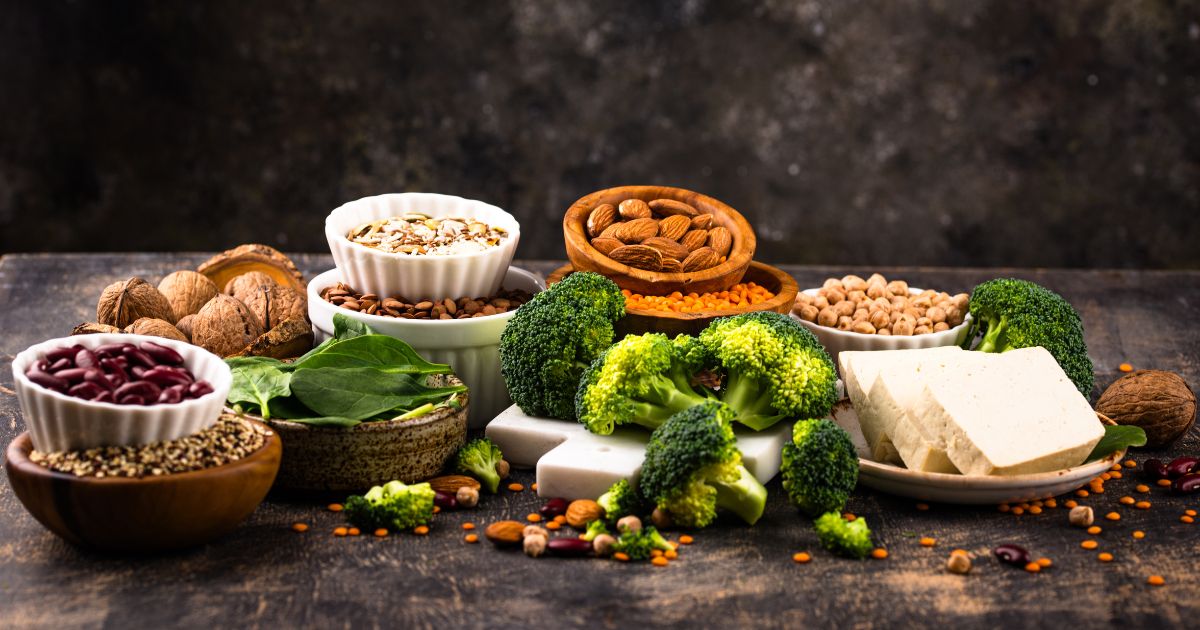
Hello and welcome to Mana Vantillu (Our Kitchen), where we believe that the heart of a home is its kitchen and the soul of the kitchen is the nourishment it provides.
As a mother, nutritionist, and someone who spent years balancing budgets and yoga mats, I know the struggle: you want to feed your family well, keep them strong, and not spend a fortune. Whether you are a fitness enthusiast, a growing teenager, or a senior looking to maintain muscle, protein is your best friend. But here is the secret-you don’t need meat to be strong. Nature has a pantry full of “green gold.”
The Evolution of the Protein Plate: Why Plant-Based?
Historically, plant-based eating isn’t a “trend.” From the ancient Indus Valley civilization to the traditional Mediterranean and East Asian diets, humans have thrived on legumes and grains for millennia. In our modern world, we are seeing a “Renaissance of the Bean.”
Science now confirms what our ancestors knew: plant proteins are packed with fiber, antioxidants, and zero cholesterol. As a doctor and life coach, I see people transforming their heart health and energy levels simply by swapping animal fats for plant-based power. From a chef’s perspective, these ingredients offer textures and flavors-from the nuttiness of quinoa to the “umami” of fermented soy-that make cooking a creative joy.
The “Complete Protein” Myth Debunked
Many people worry that plants are “incomplete” proteins (missing some of the nine essential amino acids). Here is the truth: as long as you eat a variety of foods throughout the day, your liver acts like a smart warehouse, storing and combining amino acids as needed. You don’t have to stress about “perfect pairings” at every single bite!
The Best 13 Plant-Based Protein Sources
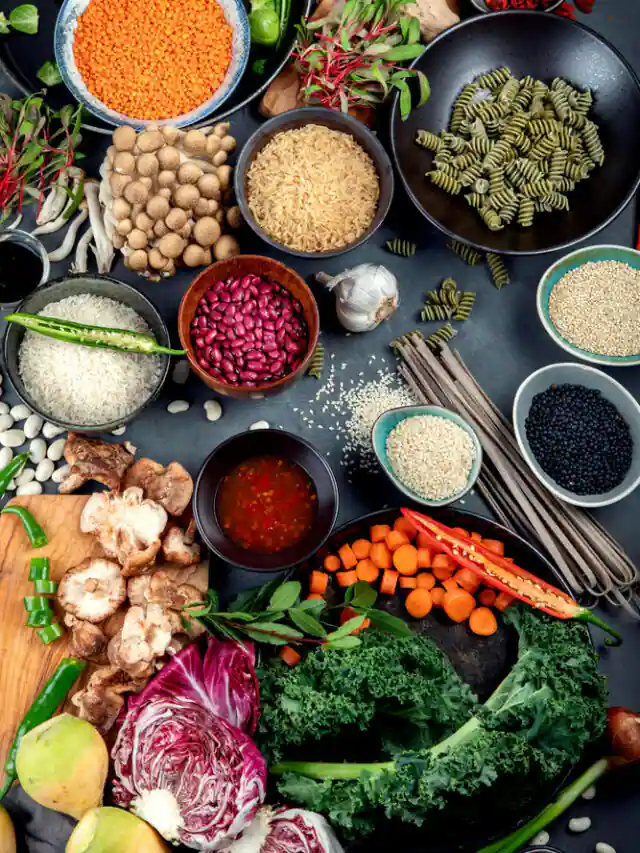
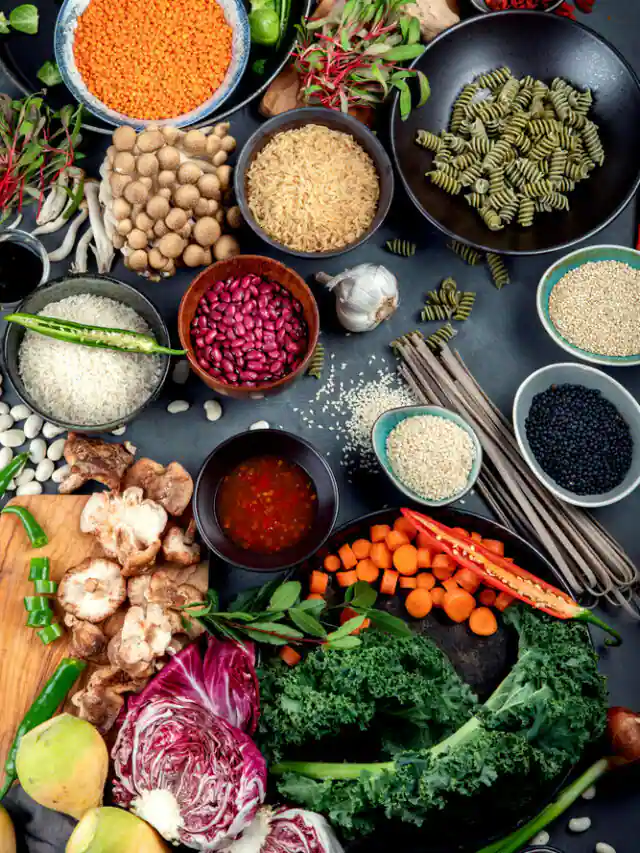
1. The Mighty Lentil (Dal)
Lentils are the cornerstone of any budget-conscious, healthy kitchen. With about 18 grams of protein per cooked cup, they are a powerhouse for muscle repair.
- Nutritionist’s Tip: They are loaded with soluble fiber, which keeps your blood sugar stable and your gut happy.
- Chef’s Secret: Use red lentils for quick soups and stews (they dissolve into a creamy base) and green or brown lentils for salads where you want a “bite.”
2. Chickpeas (Garbanzo Beans)
A staple from the Middle East to India, chickpeas offer 15 grams of protein per cup.
- Lifestyle Hack: Keep canned chickpeas for a 5-minute hummus or roast them with salt and pepper for a crunchy, high-protein snack that beats potato chips any day.
- Money Management: Buy them dried in bulk. It’s significantly cheaper than canned, and the taste is far superior.
3. Quinoa: The Royal Seed
Often mistaken for a grain, quinoa is actually a seed and one of the few plants that is a “complete protein” on its own (8 grams per cup).
- Yoga Trainer’s View: It’s gluten-free and easy on the digestive system, making it a perfect pre-yoga meal that won’t leave you feeling heavy.
4. Tofu (The Versatile Canvas)
Made from soy milk, tofu is a protein dense option (8-10 grams per 100g).
- Utensil Expert Tip: When pan-frying tofu, use a well-seasoned cast iron skillet. It provides the perfect sear without the need for toxic non-stick coatings.
- Flavor Tip: Tofu has no flavor of its own-it’s a sponge! Marinate it in soy sauce, ginger, and garlic for at least 30 minutes.
5. Tempeh: The Probiotic Powerhouse
Tempeh is made from fermented soybeans. Because it’s fermented, it’s often easier to digest than tofu and packs more protein (around 15-18 grams per 3-ounce serving).
- Health Benefit: It’s great for gut health because of the fermentation process, which introduces beneficial bacteria to your microbiome.
6. Edamame (Green Soybeans)
These young soybeans are a favorite for children. One cup provides 18 grams of protein.
- Mother’s Advice: They are the perfect “distraction snack” for kids. Let them pop the beans out of the pods-it’s fun, nutritious, and keeps them away from processed sweets.
7. Hemp Seeds (Hearts)
Don’t let the name scare you; these seeds are nutritional royalty. They contain 10 grams of protein in just 3 tablespoons.
- Chef’s Tip: They have a mild, nutty flavor. Sprinkle them on top of your morning oats or avocado toast. They add a boost of Omega-3 fatty acids, which are vital for brain health.
8. Chia Seeds
These tiny seeds can absorb 12 times their weight in water. They offer 5 grams of protein per 2 tablespoons.
- Content Writer’s Insight: If you’re writing a meal plan, “Chia Pudding” is a must-include. It’s the ultimate “set it and forget it” breakfast for busy professionals.
9. Seitan (Wheat Meat)
Made from wheat gluten, seitan is the “heavyweight” of plant proteins with a staggering 25 grams of protein per 100g.
- Doctor’s Note: While it’s a protein king, it is not for those with Celiac disease or gluten sensitivity.
- Chef’s Tip: Its texture is remarkably similar to chicken or beef, making it the best transition food for new vegetarians.
10. Spirulina (The Blue-Green Alga)
Just two tablespoons of this dried seaweed powder provide 8 grams of complete protein.
- Lifestyle Blogger Tip: It turns your smoothies a vibrant, Instagram-worthy green! It’s also incredibly rich in iron and B-vitamins.
11. Nutritional Yeast (Nooch)
This deactivated yeast is a vegan’s secret weapon. It has a cheesy, nutty flavor and provides 8 grams of protein per 1/4 cup.
- Foodie Tip: Sprinkle it on popcorn or use it to make a “cheese” sauce for pasta without the dairy bloat.
12. Amaranth & Buckwheat
These “ancient grains” (actually pseudocereals) are complete proteins. Amaranth offers 9 grams per cup.
- Money Tip: These are often found in the bulk section of health stores. They are much more nutrient-dense than white rice or refined flour.
13. Green Peas
Never underestimate the humble pea! One cup contains 8 grams of protein.
- Home Maker’s Trick: Frozen peas are just as nutritious as fresh because they are frozen at peak ripeness. Keep a bag in the freezer to toss into pastas, curries, or salads at the last minute.
The Smart Kitchen: Utensils and Quality
As an expert in material quality, I cannot stress this enough: The tool is as important as the ingredient. To preserve the nutrients in your plant proteins:
- Stainless Steel: Best for boiling lentils and beans. It is non-reactive and durable.
- Cast Iron: Essential for searing tofu and tempeh to get that “meaty” crust.
- Glass or Ceramic: Ideal for slow-cooking stews. Avoid cheap aluminum, which can leach into acidic foods (like tomato-based bean chilis).
Saving Money While Eating Healthy
Eating plant-based is actually cheaper than a meat-heavy diet-if you shop smart.
- Bulk is King: Beans, rice, and lentils should always be bought in large bags.
- Seasonality: Buy your veggies when they are in season. In winter, lean on frozen vegetables; they are cheaper and often more nutrient-rich than “fresh” produce that has traveled 2000 miles.
- DIY Basics: Don’t buy expensive “vegan meats” every day. Use the 13 sources above to make your own burgers and sausages.
Final Thoughts from Mana Vantillu
Your health is an investment, not an expense. By incorporating these 13 plant-based stars into your kitchen, you aren’t just eating; you are healing, strengthening, and thriving. Whether you’re cooking for a picky toddler or training for a marathon, these proteins have you covered.