Healthy eating isn’t a short-term diet or a complicated ruleset – it’s the sum of small, consistent choices you make every day in the kitchen, the market, and in how you live. As someone who wears many hats – nutritionist, homemaker, mother, chef, yoga trainer, life coach, doctor, money manager, foodie, and utensil-quality expert – I’ll walk you through 11 clear, evidence-based habits you can adopt starting today. I’ll blend the science (what works), the household wisdom (what’s practical), and the lifestyle strategies (how to stick with it).
Why this matters – a quick background
A healthy diet reduces the risk of chronic disease, supports growth and energy, and improves mood, sleep and productivity. Modern lifestyles have increased consumption of ultra-processed foods, added sugars and excess salt while reducing fruit, vegetable and whole-grain intake – and that’s driving chronic health problems worldwide. Shifting toward whole foods, balanced plates and consistent routines is the most practical way to protect your family’s long-term health.
How to read this post
Each tip includes:
- What it is (simple),
- Why it helps (short science or logic),
- How to start (actionable steps),
- Chef / Homemaker / Budget / Utensil tip (real-life hack).
The Top 11 Tips (with real kitchen and life hacks)
1. Build your plate: half vegetables & fruits, a quarter whole grains, a quarter protein
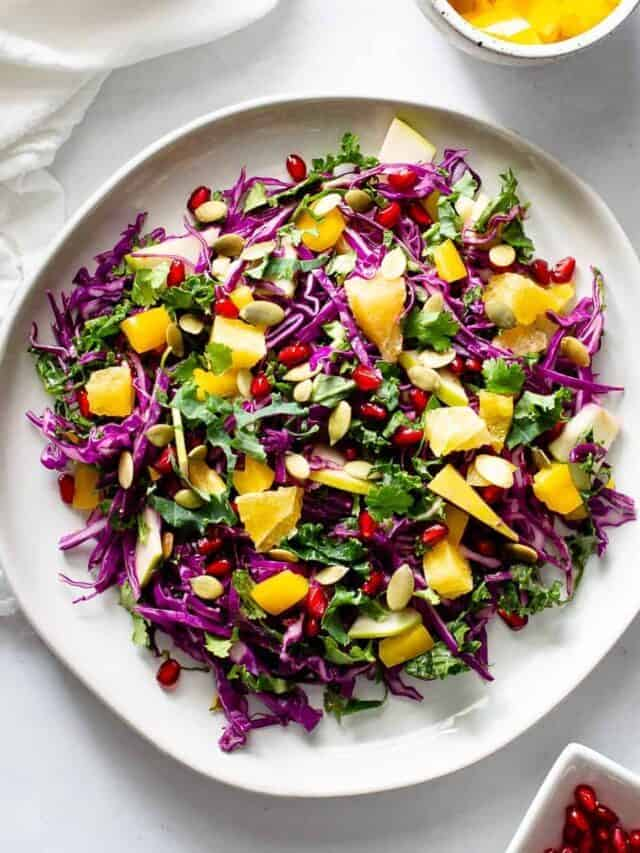
What it is: Use a simple visual: half your plate vegetables and fruits; one quarter whole grains or starchy vegetables; one quarter healthy protein (fish, poultry, pulses, eggs, dairy, tofu). This pattern supports nutrient balance and portion control.
Why it helps: The plate model is backed by nutrition experts as an easy, flexible guide for all ages and settings. It emphasizes vegetables, plant foods, and nutrient density without complicated calorie counting.
How to start: Serve meals on your normal plates but intentionally pile vegetables until they fill half the plate. Rotate colors-greens, oranges, purples-to maximize vitamins and antioxidants.
Homemaker tip: Keep pre-cut salad bowls and roasted vegetable batches in clear containers for quick plating.
Budget tip: Frozen vegetables are nutritious and cheaper; buy seasonal produce for best price and flavor.
Utensil tip: Use a wide, shallow serving bowl/plate to help visualize portions and avoid overfilling.
2. Choose whole and minimally processed foods
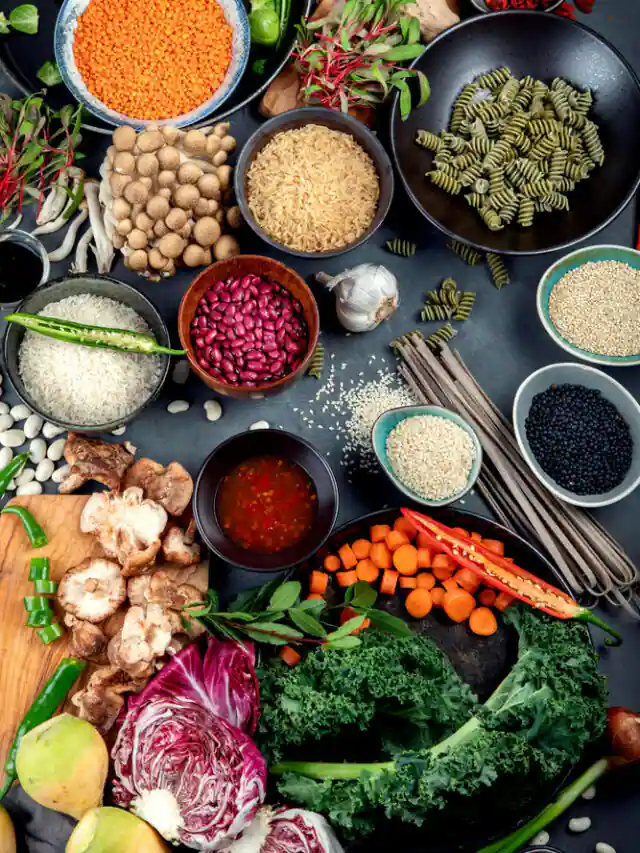
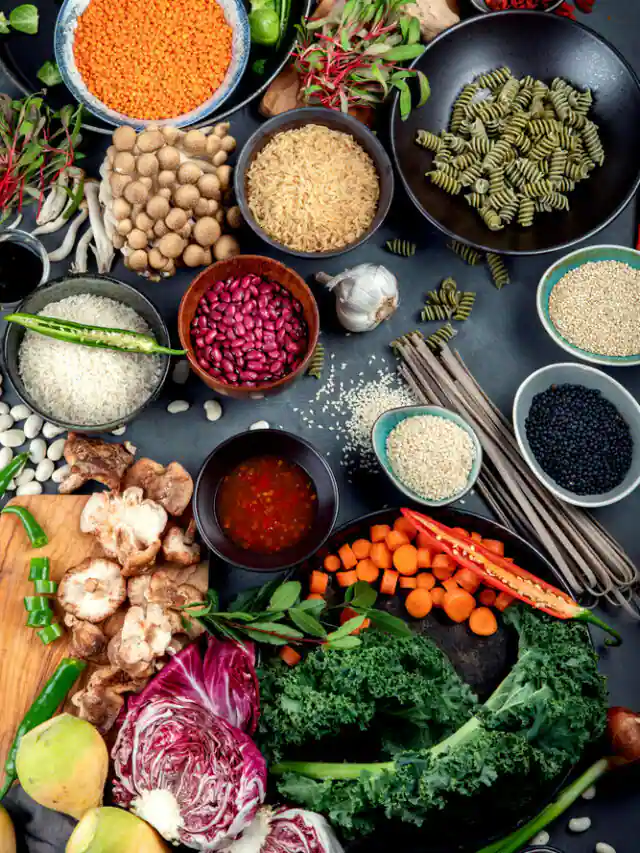
What it is: Prefer whole grains (brown rice, millets, oats), whole fruits, legumes, nuts, seeds, and minimally processed animal proteins over packaged, ultra-processed foods.
Why it helps: Whole foods provide fiber, vitamins, minerals and healthy fats; processed foods often bring excess sugar, salt, unhealthy fats and additives. The World Health Organization and major dietary guidelines recommend increasing whole foods while minimizing ultra-processed options.
How to start: Swap white rice for brown rice or millet once a day. Replace packaged snacks with roasted chickpeas, fruit chaat, or cucumber slices with masala yogurt.
Chef’s tip: Toast whole grains and seeds for a nutty flavor; a little ghee or olive oil + spices can turn plain veggies into a family favorite.
Money tip: Buy whole grains in bulk; store in airtight glass jars to save money and reduce waste.
Utensil tip: Use stainless steel or cast iron for toasting grains – they heat evenly and add no unwanted chemicals.
3. Prioritize protein at each meal
What it is: Include a modest source of protein with breakfast, lunch and dinner: dal, paneer, eggs, fish, chicken, tofu, or mixed legumes.
Why it helps: Protein maintains muscle, controls appetite, stabilizes blood sugar and supports growth and recovery. Protein also keeps you satisfied longer, helping reduce snacking on less-healthy options. Guidance documents across countries highlight protein as an essential component of a healthy pattern.
How to start: Add a spoonful of sprouted mung or chana to your morning upma, include a dal or legume salad with lunch, and choose a protein-rich side at dinner.
Chef tip: Batch-cook lentils or spiced paneer; fold into wraps, salads and breakfast bowls.
Budget tip: Pulses and eggs are budget-friendly high-quality proteins.
Utensil tip: Use heavy-bottomed stainless or cast iron pots for even simmering of legumes (reduces sticking).
4. Keep added sugar and refined carbs in check
What it is: Reduce sugar-sweetened drinks, sweets between meals, and refined white flour products. Replace with whole fruit, dark chocolate (in moderation), and small portions of homemade treats.
Why it helps: Excess sugars and refined carbs spike blood sugar, promote fat storage and increase the risk of diabetes and heart disease. National and global guidelines recommend limiting added sugars and refined grains.
How to start: Replace one sugary drink per day with water, buttermilk, or infused water. Make sweets occasional rather than everyday.
Foodie tip: Use aromatic spices – cardamom, cinnamon, nutmeg – to make lower-sugar desserts feel indulgent.
Money tip: Making sweets at home reduces cost and lets you control sugar.
Utensil tip: Use glass storage for homemade treats to keep them fresher.
5. Make fiber your friend
What it is: Aim for legumes, fruits, vegetables, whole grains, nuts and seeds daily. Small swaps-oatmeal instead of refined cereal, rajma/chana on rice-add up.
Why it helps: Fiber supports digestion, feeds beneficial gut bacteria, aids steady appetite control, and lowers risk of heart disease and some cancers. WHO and dietary agencies highlight fiber-rich diets.
How to start: Add a tablespoon of ground flaxseed to yogurt or smoothies; include a vegetable salad with lunch or dinner.
Chef tip: Use legumes in soups, stews and stuffed parathas – they add texture and keep meals satisfying.
Utensil tip: Use a good-quality blender for smoothies and wet grinding to unlock fiber benefits.
6. Plan simple, repeatable weekly menus
What it is: Create a 4–7 day rotating meal plan; plan breakfasts, templates for lunches and dinners, and two snack choices.
Why it helps: Planning reduces impulse buying, food waste, and the “what’s for dinner” stress – making healthy choices automatic and sustainable.
How to start: Sunday 20–30 minute planning session: pick 3 breakfasts, 3 lunches, 3 dinners; write a grocery list.
Homemaker & money tip: Batch-cook staples (dal, boiled beans, roasted vegetables) and repurpose across meals to save time and money.
Chef tip: Theme nights (grain bowl night, dosa night, soup + salad night) keep variety enjoyable.
7. Hydration, portion cues & mindful eating
What it is: Drink water through the day; use portion cues (fist for carbs, palm for protein, cupped hand for fats); eat without screens, chew slowly.
Why it helps: Often thirst is mistaken for hunger; mindful eating reduces overeating and increases meal satisfaction. Slow, screen-free meals improve digestion and pause emotional eating.
How to start: Keep a 1-litre water bottle visible; breathe and take 3 deep breaths before eating; set a timer for 20 minutes if you’re a fast eater.
Life-coach tip: Turn meals into mini rituals-light a lamp, use a favorite bowl-to reinforce calm, mindful eating.
Utensil tip: Use smaller plates to naturally reduce portions without feeling deprived.
8. Cook more at home – and master a few healthy recipes
What it is: Home cooking improves control over ingredients and portions. Learn 6 reliable, healthy recipes (2 breakfasts, 2 lunches, 2 dinners) and rotate them.
Why it helps: Homemade food typically contains less salt, sugar and unhealthy fats than restaurant or packaged foods. It’s also more cost-effective. Dietary guidance emphasizes home cooking for healthier patterns.
How to start: Choose a weekend to perfect one breakfast and one dinner recipe; freeze portions for busy weekdays.
Chef tip: Use spice blends and acid (lemon, vinegar) to boost flavor without extra fat or sugar.
Money tip: Buy seasonal, local produce and freeze extras.
Utensil tip: Invest in one heavy frying pan and one tight-lidded saucepan – they’re the backbone of home cooking.
9. Read labels and reduce salt/sodium
What it is: Learn to scan nutrition labels: watch for added sugars, sodium, trans fat, and ingredients you don’t recognize.
Why it helps: Packaged foods are the main source of hidden salt and sugar. WHO recommends limiting sodium/salt intake to reduce blood pressure and cardiovascular risk.
How to start: Compare two similar products and pick the lower-sodium option. Replace 1 processed condiment (store ketchup) with a homemade tomato chutney or spiced fresh tomato sauce.
Homemaker tip: Use herbs, citrus and roasted spices instead of salt for complex flavor.
Utensil tip: Keep reusable glass jars for mixing homemade condiments.
10. Budget, quality of kitchen materials & food safety
What it is: Smart buying and proper storage extend food life and protect nutrition. Use good materials for cooking and storage to preserve taste and safety.
Why it helps: Proper utensils and storage reduce food waste and avoid chemical leaching. Iron and stainless steel cookware are durable and safe; avoid damaged non-stick pans for high-heat cooking.
How to start: Replace scratched non-stick pans; keep staples in airtight glass containers; store oils in dark glass bottles away from heat.
Utensil & material tip: Cast iron is excellent for slow cooking and adds iron (helpful for those with deficiency). Stainless steel is neutral; glass is best for storage and heating. Avoid aluminum for prolonged storage of acidic foods.
Money tip: Spend on a few high-quality pieces (one heavy pan, one casserole) rather than many cheap items.
11. Build habits – not punishments: small changes you can keep
What it is: Tackle one habit at a time: drink an extra glass of water each day, add one vegetable to every meal, or swap white bread for whole grain.
Why it helps: Behavior change research shows that small, consistent wins build momentum and habit formation-sustainable change beats dramatic short-term fixes.
How to start: Pick one micro-habit for 30 days and track progress (habit calendar, phone reminder).
Life coach tip: Celebrate small wins (a favorite tea after a month of consistent salads) and avoid all-or-nothing thinking.
Mother & homemaker tip: Make healthy swaps fun for kids-let them choose a new fruit to try each week.
Quick 3-Day Sample Menu (Prize: Practical & Balanced)
Day themes help with shopping and reduce decision fatigue.
Day 1
- Breakfast: Oats porridge with chopped apple, ground flaxseed, and a spoon of curd.
- Lunch: Brown rice + sambar + mixed vegetable salad + papad.
- Snack: Roasted chana and green tea.
- Dinner: Millet khichdi with spinach + cucumber raita.
Day 2
- Breakfast: Besan cheela with spinach + tomato chutney.
- Lunch: Whole wheat roti + rajma + carrot-beet salad.
- Snack: Fruit (banana) + handful almonds.
- Dinner: Grilled fish/tofu + quinoa + roasted seasonal veggies.
Day 3
- Breakfast: Poha with peas + lemon + peanuts.
- Lunch: Bajra rotla + mixed dal + sautéed greens.
- Snack: Buttermilk + fruit.
- Dinner: Vegetable pulao (brown rice) + cucumber-tomato-onion salad.
Troubleshooting – common problems & solutions
- “I don’t have time.” Adopt batch-cooking; keep frozen portions. Start with 10 minutes of prep daily.
- “My family resists healthy food.” Add flavor, involve them, and swap one item at a time.
- “I’m on a tight budget.” Prioritize pulses, eggs, seasonal produce, and whole grains. Buy in bulk.
- “I have a medical condition.” See a doctor or dietitian for tailored advice-these tips are general and supportive of healthy adults.
Myths – quick busting (from a clinical + kitchen lens)
- Myth: Carbs are bad. Fact: Choose whole grains and portion appropriately-carbs are energy.
- Myth: Fat-free is always healthier. Fact: Healthy fats (nuts, seeds, olive oil) are essential; avoid trans fats and excessive refined fats.
Final checklist – a weekly healthy eating starter kit
- Reusable water bottle + lunchbox
- Airtight glass jars for staples (grains, spices, pulses)
- One heavy sauté pan + one saucepan with lid
- A simple 4-day meal plan and grocery list
- Habit tracker (paper or phone)
Evidence & guidance (short list of trusted resources)
For deeper reading and official guidance, these institutions provide excellent, evidence-based material: Harvard’s Healthy Eating Plate, WHO’s healthy diet fact sheet, the U.S. Dietary Guidelines, and India’s National Institute of Nutrition recommendations. Use them to adapt dietary patterns for life stages and local food traditions.
Parting words – a homemaker’s, doctor’s and life coach’s promise
From a mother’s kitchen to a doctor’s clinic and a life coach’s playbook: healthy eating is doable, affordable and joyful when it’s simple and consistent. Start with one small swap, make one recipe you love, build one habit, and let it grow. Mana Vantillu (Our Kitchen) is where nourishment meets nurture-make it yours, one plate at a time.