Why this topic matters – a quick, human-first background
Blood sugar (glucose) isn’t just a lab number – it drives your energy, mood, sleep and long-term health. With modern diets high in refined carbs, added sugars and ultra-processed foods, many of us experience frequent blood sugar spikes that increase the risk of type 2 diabetes, heart disease and fatigue. The good news? Habitual food choices – the things you buy, cook, and place on the family table – are one of the most powerful, low-cost ways to stabilize glucose levels and protect long-term health. Practical, science-backed food choices combined with small lifestyle shifts deliver the best results.
In this article I combine clinical perspective (doctor + nutritionist), everyday practice (homemaker + chef), lifestyle coaching (yoga + habit design), utensil & budget sense, and foodie creativity so you can adopt realistic changes and keep them.
How to use this post
- Read the short science notes for why each food helps.
- Try the “How to include it” kitchen tips – quick recipes and pairing ideas.
- Use utensil & budget tips to make the habit stick at home.
- If you take glucose-lowering medicines, ask your clinician before big changes – food can interact with medication and may require dose changes.
The core principles (before the list)
- Fiber, protein and healthy fats blunt glucose spikes. Foods that slow digestion lower post-meal blood sugar.
- Choose whole and minimally processed carbohydrates (low–moderate glycemic load) rather than refined starches/sugary drinks.
- Portion control and food pairings matter – eating carbs with protein, fiber or vinegar reduces postprandial spikes.
With those in mind, here are the 15 best foods to include regularly.
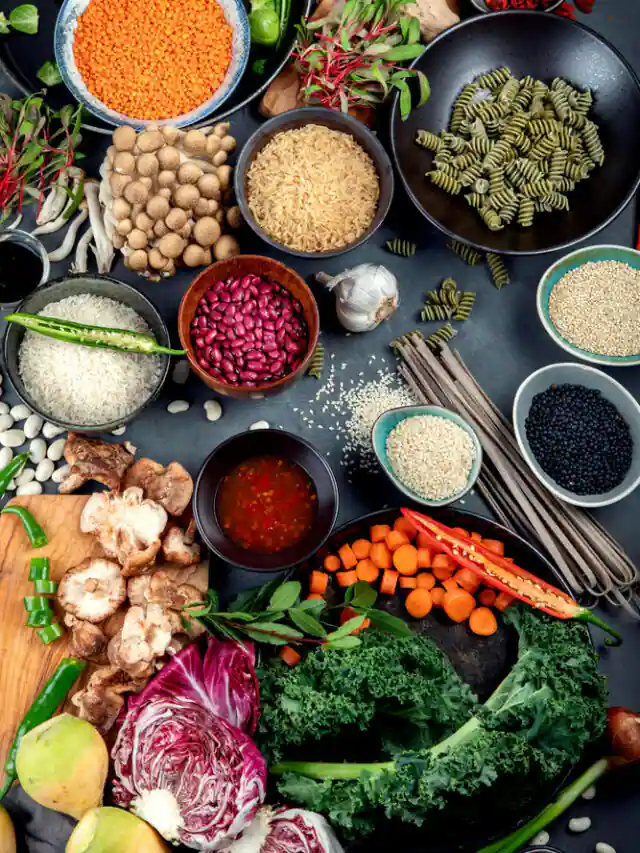
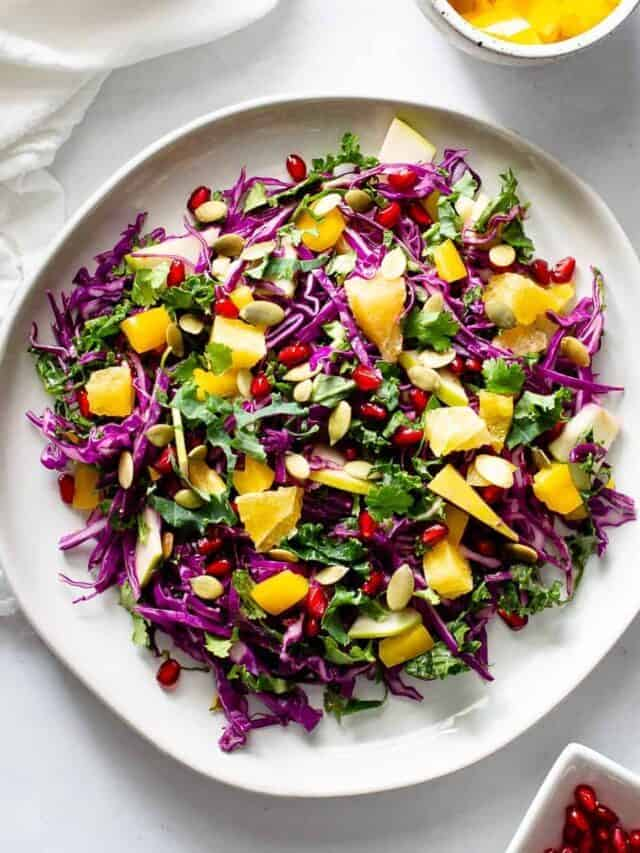
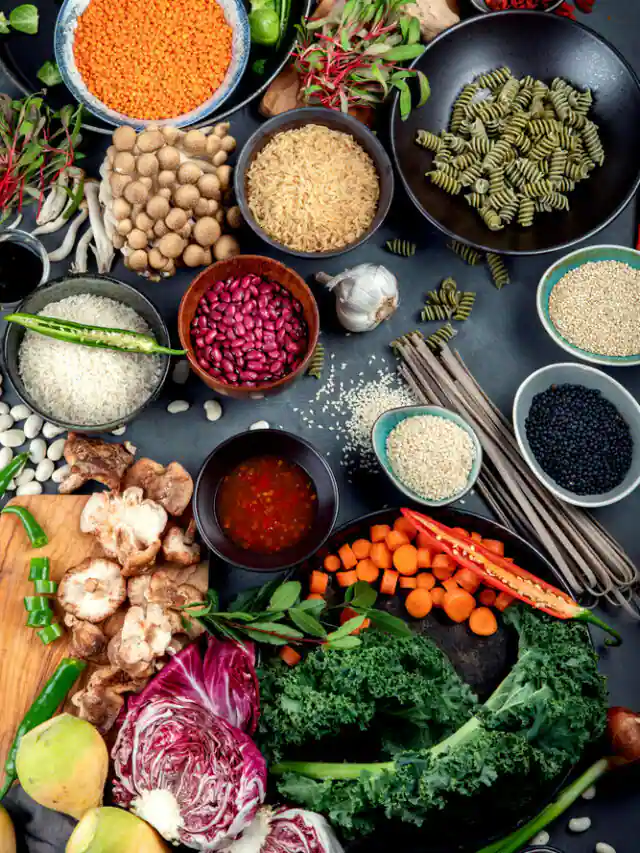
1. Non-starchy vegetables (spinach, broccoli, cauliflower, beans, peppers)
Why: Very low in digestible carbs, high in fiber, vitamins and polyphenols – they add volume and nutrients without raising glucose. Diets rich in non-starchy vegetables support steady blood sugar and overall metabolic health.
How to include: Stir-fry with garlic and mustard seeds, steam and toss with lemon + olive oil, or add two generous vegetable portions to every meal.
Utensil tip: Use a heavy steamer or a deep stainless steel pan with a tight lid to retain nutrients and minimize oil.
2. Beans, lentils and other legumes
Why: High in soluble fiber and plant protein – they slow digestion and lower glycemic response. Legumes are repeatedly recommended by diabetes organizations as “superstar” carbohydrate foods.
How to include: Rajma, chana, moong dal, lentil soups, or mixed bean salads. Swapping half the rice on your plate for dal can dramatically reduce the meal’s glycemic load.
Budget tip: Buy dried pulses in bulk and pressure-cook in batches; freeze portions for quick meals.
3. Whole grains with low glycemic load (oats, barley, millets, brown rice)
Why: Whole grains contain fiber and slower-digesting starches – they produce gentler blood sugar rises compared with refined grains. Choose portions mindful of total carb amount.
How to include: Overnight oats for breakfast, barley khichdi, millet rotis or a small bowl of brown rice with dal and lots of vegetables.
Chef tip: Toast grains lightly before cooking to improve taste and texture without extra fat.
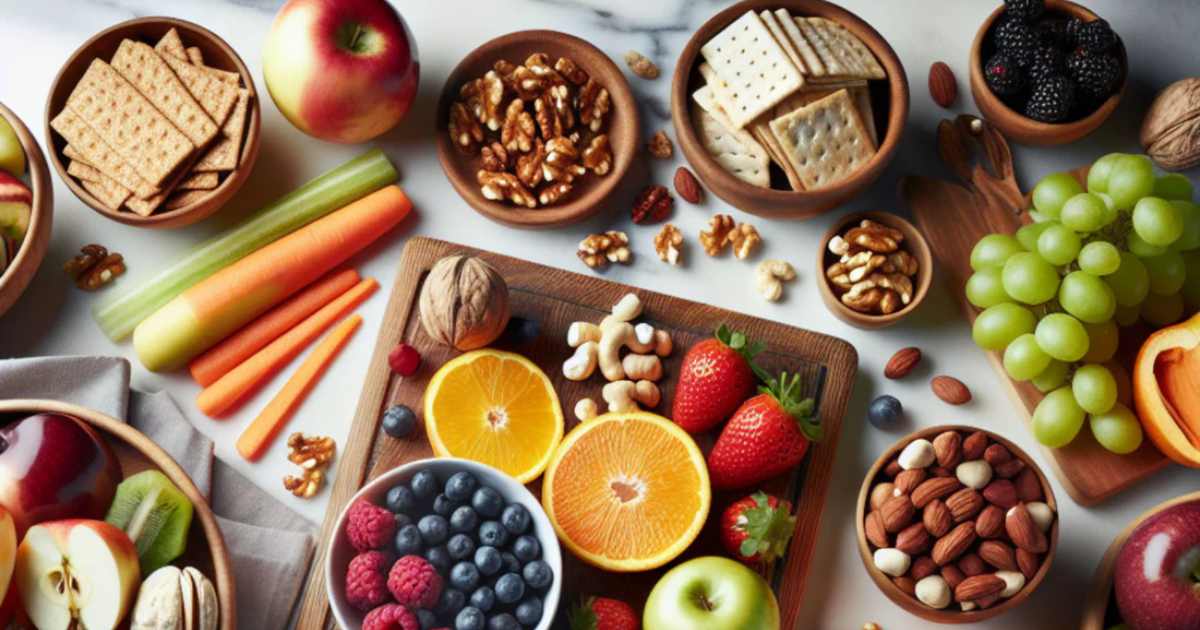
4. Berries (blueberries, strawberries, raspberries)
Why: Berries are relatively low in sugar per serving, high in fiber and rich in antioxidants that support insulin sensitivity. They make a naturally sweet but blood-friendly dessert.
How to include: Add to Greek yogurt, chia pudding or morning porridge. Fresh or thawed frozen berries work equally well.
Foodie tip: Macerate berries briefly with a squeeze of lemon and a sprinkle of cinnamon – great on plain curd.
5. Nuts & seeds (almonds, walnuts, flaxseed, chia)
Why: Nuts and seeds contain healthy fats, fiber and plant protein that slow carbohydrate absorption and increase satiety. Regular intake is associated with better metabolic markers.
How to include: A small handful as a snack, sprinkle ground flaxseed on porridge, or add chia seeds to smoothies.
Utensil tip: Use a sturdy blender to make seed-based puddings; store nuts in the fridge to prevent rancidity.
6. Fatty fish (salmon, mackerel, sardines)
Why: Rich in omega-3 fatty acids that reduce inflammation and support heart health – important because people with higher blood sugar often have increased cardiovascular risk. Fish itself doesn’t raise glucose and pairs well with low-GI side dishes.
How to include: Grilled salmon with a big salad, sardine curry with mixed vegetables, or tinned mackerel on whole-grain toast (small portion for carbs).
Budget tip: Canned oily fish are affordable, nutritious options – check salt content.
7. Greek yogurt and fermented dairy (unsweetened)
Why: High in protein and probiotics – the protein slows glucose absorption and probiotics support a healthy gut microbiome, which influences metabolic health. Opt for unsweetened varieties.
How to include: Plain Greek yogurt with berries and a sprinkle of nuts, or use curd as a cooling side with spiced meals.
Utensil tip: Store yogurt in glass containers and avoid purchasing fruit-on-the-bottom varieties with hidden sugars.
8. Apples and citrus (in whole fruit form)
Why: Whole fruits like apples and oranges contain fiber and have lower glycemic impact than fruit juices. They also provide vitamins and polyphenols beneficial for glucose regulation.
How to include: Eat as snacks, add sliced apple to salads, or drink diluted citrus-infused water.
Practical tip: Avoid fruit juices – they remove fiber and concentrate sugars.
9. Avocado
Why: High in monounsaturated fats and fiber, avocado slows digestion and helps lower post-meal glucose spikes when paired with carbohydrates. It also improves satiety.
How to include: Mash on whole-grain toast (small portion), add to salads, or blend into smoothies for creaminess without added sugar.
10. Cinnamon (as a spice)
Why: Small trials suggest cinnamon may modestly improve insulin sensitivity and reduce postprandial glucose, though results vary. It’s a safe culinary tool to reduce added sugar and add perceived sweetness.
How to include: Sprinkle on oats, in tea, or in desserts to reduce sugar added during cooking.
Caution: Use culinary amounts; supplements can interact with medications – consult your clinician.
11. Olive oil & other healthy fats
Why: Healthy fats slow gastric emptying and reduce postprandial glycemic excursions when consumed with carbohydrates. Extra virgin olive oil also contains anti-inflammatory polyphenols.
How to include: Dress salads with EVOO and lemon, use for low-heat cooking, or add a teaspoon to dal when serving.
12. Vinegar (apple cider or white vinegar) – a small clinical hack
Why: Multiple studies report that vinegar consumed with a carb-rich meal lowers post-meal glucose excursions by slowing gastric emptying and modifying carbohydrate digestion. Regular, moderate use can be helpful for some people.
How to include: Try a tablespoon of ACV diluted in water before meals, or a vinaigrette on your salad.
Caution: Don’t take undiluted vinegar; people with reflux or on certain medications should consult their doctor.
13. Sweet potato and other low-GI tubers
Why: Compared with white potatoes and refined starches, sweet potato (especially boiled, not mashed) has a lower glycemic impact and provides fiber, vitamins and antioxidants. Preparation matters: roasting or boiling with skin on keeps the glycemic load lower.
How to include: Roast sweet potato cubes tossed with spices and olive oil as a side dish or add to salads.
14. Tea (green tea, hibiscus, cinnamon or ginger teas)
Why: Polyphenol-rich teas have been studied for modest benefits in glucose regulation and inflammation; they’re a low-calorie alternative to sugary beverages. Some herbal teas may also support weight and metabolic health.
How to include: Replace one or more daily sugary drinks with green tea or herbal blends. Avoid sweeteners.
15. Seeds & whole grains high in soluble fiber (oats, psyllium)
Why: Soluble fiber forms a gel in the gut that slows glucose absorption. Oats and psyllium husk are two practical ways to add this fiber to meals. Clinical guidance supports soluble fiber for improving glycemic control.
How to include: Start the day with cooked oats (steel-cut or rolled) or add a teaspoon of psyllium to your smoothie or buttermilk.
Practical meal pairings that stabilize glucose
- Breakfast: Steel-cut oats + a tablespoon flaxseed + handful frozen berries + plain Greek yogurt (protein + soluble fiber + antioxidants).
- Lunch: Mixed bean salad + lots of greens + a small portion of barley or millet + olive oil vinaigrette (legumes + whole grain + healthy fat).
- Dinner: Grilled salmon + roasted non-starchy vegetables + small sweet potato (protein + healthy fats + low-GI starch).
Kitchen & utensil wisdom for better outcomes (mother + material expert)
- Cookware: Use stainless steel, cast iron, or glass for cooking and storage. Avoid scratched non-stick pans for high-heat cooking. Cast iron can boost dietary iron but be mindful if you have haemochromatosis.
- Storage: Keep whole grains and nuts in airtight glass jars in a cool place; refrigerate to prevent rancidity.
- Prep tools: A good pressure cooker saves time for legumes; an immersion blender helps make smooth soups from vegetables without added cream.
Budget & shopping tips (money manager + homemaker)
- Buy pulses, oats and millets in bulk – they’re economical staples for blood sugar control.
- Frozen vegetables and berries often cost less and retain nutrition – great for weekday cooking.
- Canned fish (low salt) is a cost-effective way to get omega-3s.
Safety, timing & realistic expectations (doctor + coach)
- Medication interactions: If you use insulin or sulfonylureas, adding lots of legumes, fiber or vinegar can lower glucose – monitor and consult your clinician to avoid hypoglycaemia.
- Not a quick fix: Dietary changes typically show measurable improvements in weeks to months, not days. Steady changes and consistency matter more than perfection.
- Personalize: One person’s best food may not be another’s – test portions, monitor blood glucose (if available), and adjust.
3-day sample menu (practical & balanced)
Day 1
- Breakfast: Rolled oats with cinnamon, chia, and blueberries + plain Greek yogurt.
- Lunch: Khichdi (millet + moong dal) with spinach + cucumber raita.
- Snack: Apple + 8 almonds.
- Dinner: Grilled mackerel, mixed greens with olive oil + small roasted sweet potato.
Day 2
- Breakfast: Besan cheela with spinach + mint chutney.
- Lunch: Lentil soup + barley salad with chopped peppers and lemon.
- Snack: Carrot sticks and hummus.
- Dinner: Paneer tikka with broccoli and cauliflower.
Day 3
- Breakfast: Smoothie (unsweetened Greek yogurt, handful berries, 1 tsp flaxseed).
- Lunch: Chickpea salad with tomatoes, cucumber, olives and avocado.
- Snack: Green tea + 1 orange.
- Dinner: Baked salmon, sautéed greens, small quinoa portion.
Common myths – quick busting
- Myth: “All carbs are bad.” Fact: Quality, portion and pairing determine impact. Whole grains and legumes are often protective when included appropriately.
- Myth: “Fruits must be avoided.” Fact: Whole fruits, especially berries and apples, are part of a balanced pattern – avoid juices.
Evidence & resources (selected trusted sources)
This article synthesizes guidance from public health bodies and clinical research, including the American Diabetes Association’s food guidance, Harvard’s Nutrition Source on carbs, CDC and NHS dietary materials, and clinical trials on vinegar and metabolic effects. For deeper reading, see those resources.
Final notes from Mana Vantillu – practical, loving, and realistic
Food is medicine, but it’s also joy. You don’t need to be perfect: fill half your plate with vegetables, choose whole foods most of the time, add a trusted half-dozen of the foods above into your weekly rotation, and watch for better energy, steadier moods and improved numbers on the scale or meter. Start with one swap this week – maybe beans instead of white rice for a meal – and build from there. If you’d like, I can create a printable 7-day meal plan tailored to vegetarian or non-vegetarian households, a grocery list, or a simple batch-cooking schedule to get you started. Which would help you the most?