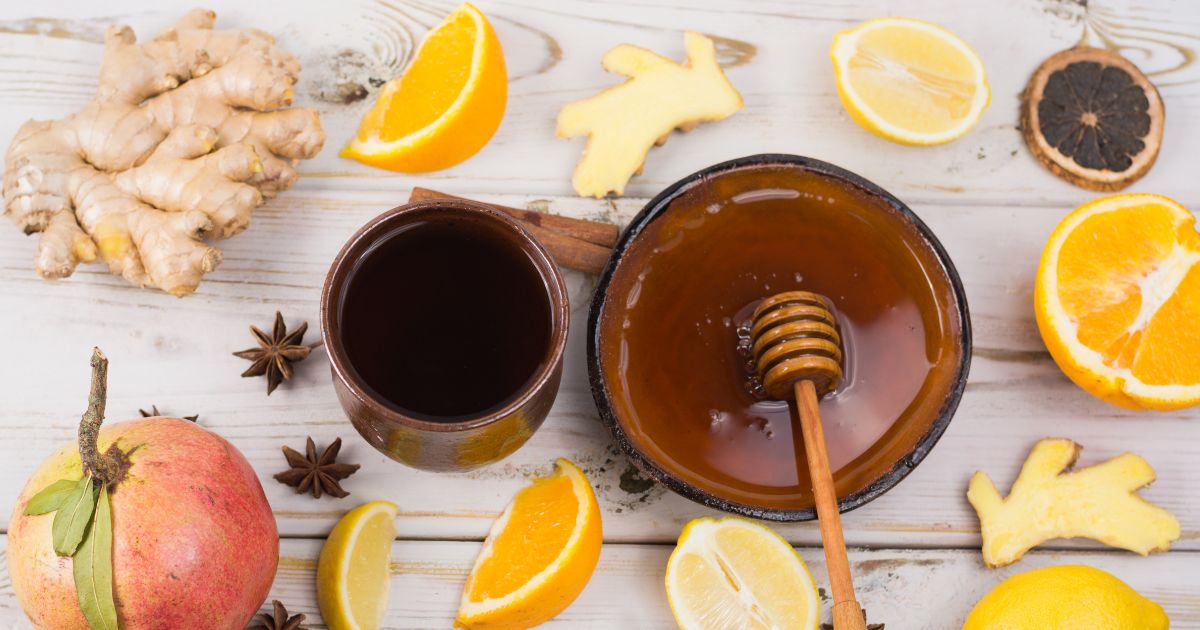
As a mother, a nutritionist, and someone who has spent a lifetime in the kitchen, I know the sinking feeling when a family member starts sniffing or develops that telltale “barky” cough. In our home, Mana Vantillu (Our Kitchen) isn’t just a place where we cook meals; it is our first pharmacy.
In 2025, while medical science has advanced, the wisdom of our grandmothers-backed by modern nutritional research-remains our most potent defense against seasonal viruses. When you understand the material quality of your utensils, the bioavailability of spices, and the rhythm of the body, you don’t just treat symptoms; you build a fortress of immunity.
Below is my comprehensive guide to the top 10 home remedies for cold and cough, refined with the latest health insights to keep your family thriving.
1. The “Golden Healer”: Ayurvedic Turmeric Milk (Haldi Doodh)
Turmeric is the crown jewel of Indian kitchens, but its effectiveness depends entirely on how you prepare it. The active compound, curcumin, is poorly absorbed by the body on its own.
- The Science: Curcumin is fat-soluble and requires piperine (found in black pepper) to increase its absorption by up to 2,000%.
- The Preparation: Use a high-quality stainless steel or clay pot to warm a cup of milk (dairy or almond). Whisk in half a teaspoon of organic turmeric and a generous pinch of freshly cracked black pepper.
- The Chef’s Secret: Add a tiny bit of ghee or coconut oil. The healthy fats ensure the curcumin reaches your cells effectively.
2. Ginger-Honey “Drops”: The Natural Antitussive
Ginger is a powerful anti-inflammatory that relaxes the membranes in the airways. Recent 2024 studies confirm that honey can be more effective than over-the-counter cough suppressants for children over the age of one.
- The Nutritionist’s View: Gingerols and shogaols in ginger provide a warming effect that breaks down mucus.
- How to Use: Grate fresh ginger and squeeze out the juice. Mix 1 teaspoon of ginger juice with 1 teaspoon of raw, unpasteurized honey. Take this three times a day.
- Mother’s Note: For children, this “spicy” mixture is easier to take if stirred into a small amount of warm water.
3. Tulsi (Holy Basil) & Black Pepper Decoction
In Ayurveda, Tulsi is known as the “Queen of Herbs.” It has significant antimicrobial and immunomodulatory properties.
- The Preparation: Boil 10–12 Tulsi leaves with 3–4 crushed peppercorns in two cups of water. Reduce it to one cup.
- The Quality Check: Always use borosilicate glass or high-grade 18/10 stainless steel for boiling herbs. Avoid reactive metals like aluminum, which can leach into your medicinal brew and alter the delicate polyphenols of the herbs.
4. Steam Inhalation with Carom Seeds (Ajwain)
When congestion hits the chest, direct hydration of the respiratory tract is essential.
- The Life Coach Tip: Use steam time as a “mindfulness minute.” Lean over a bowl of hot water with a towel over your head, add a teaspoon of Ajwain, and breathe deeply for 5–10 minutes.
- Why Ajwain? It contains thymol, a natural disinfectant and decongestant. It helps in opening up the nasal passages almost instantly.
5. The Power of “Rasam” or Clear Spiced Broths
As a chef, I believe food is medicine. A warm, peppery Rasam or a clear vegetable broth seasoned with garlic and cumin is the ultimate “soul food” for a cold.
- The Doctor’s Insight: Garlic contains allicin, which has been shown to boost the disease-fighting response of some types of white blood cells.
- The Lifestyle Angle: These liquids keep the body hydrated while the steam from the bowl helps clear the sinuses.
6. Saltwater Gargle: The Simple Essential
It sounds basic, but it is scientifically sound. A saltwater gargle creates an osmotic pressure that draws out excess fluid from inflamed tissues in the throat.
- The Ratio: Mix 1/2 teaspoon of sea salt in a glass of lukewarm water.
- The Expert Twist: Add a pinch of turmeric to the water. The antiseptic properties of turmeric work directly on the throat lining to reduce soreness.
7. Pineapple Juice & Bromelain
Many are surprised to find pineapple on a list for coughs. However, it contains bromelain, an enzyme with powerful anti-inflammatory properties.
- The Benefit: Bromelain helps thin the mucus in the throat and lungs.
- Chef’s Advice: Use fresh pineapple juice, not the canned version which is high in sugar and low in active enzymes. Drink it at room temperature to avoid irritating a sensitive throat.
8. Cinnamon & Honey Paste for Dry Cough
Cinnamon is a warming spice that improves blood circulation and helps the body fight off viral pathogens.
- The Recipe: Mix 1/4 teaspoon of cinnamon powder with 1 teaspoon of honey.
- The Lifestyle Blogger Tip: This is a great remedy for those “tickly” dry coughs that keep you awake at night. Take it right before bed for a coating effect on the throat.
9. Mulethi (Licorice Root) Tea
Mulethi is a classic remedy for hoarseness and “losing your voice.” It acts as an expectorant, helping to loosen and expel phlegm.
- The Nutritionist’s Secret: You can simply chew on a small piece of Mulethi root or steep it in hot water. It has a natural sweetness that children often find more palatable than ginger.
10. Hydration with “Jeera” (Cumin) Water
Maintaining hydration is the single most important factor in recovery, but plain water can be boring when you’re sick.
- The Preparation: Boil a liter of water with a teaspoon of cumin seeds. Strain and sip this throughout the day.
- The Money Management View: Instead of buying expensive electrolyte drinks filled with artificial colors, this “Jeera Water” provides natural minerals and aids digestion at a fraction of the cost.
The Background: Why Natural Remedies Work in 2025
The “Common Cold” is caused by over 200 different viruses. Because antibiotics do not kill viruses, the primary goal of any treatment is symptomatic relief and immune support.
In the modern world, our bodies are often under stress from pollution and processed foods. By returning to the kitchen-to Mana Vantillu-we provide our bodies with the raw materials needed to heal. Using high-quality utensils like seasoned cast iron or clay pots ensures that the “Prana” (life force) of our food remains intact.
When to See a Doctor
As a practitioner and mother, I advocate for natural healing, but I also value medical intervention. Please consult a healthcare professional if:
- Fever lasts more than 3 days or exceeds 103°F (39.4°C).
- There is difficulty breathing or wheezing.
- Symptoms do not improve after 10 days.
Lifestyle Hacks for Faster Recovery
- Rest is Productive: As a life coach, I tell my clients: “Your body is doing a massive job. Let it work.” Sleep is when your immune system releases cytokines, which are essential for fighting infection.
- Yoga for Breath: Practice Anulom Vilom (Alternate Nostril Breathing) very gently. It helps balance the flow of energy and clears the nasal passages without straining the lungs.
- Utensil Care: Ensure your tea-making pots are free from scratches. Deep scratches in old non-stick pans can harbor bacteria or leach chemicals that further stress your immune system.