The Science of the Seed: Why Your Grain Choice Matters
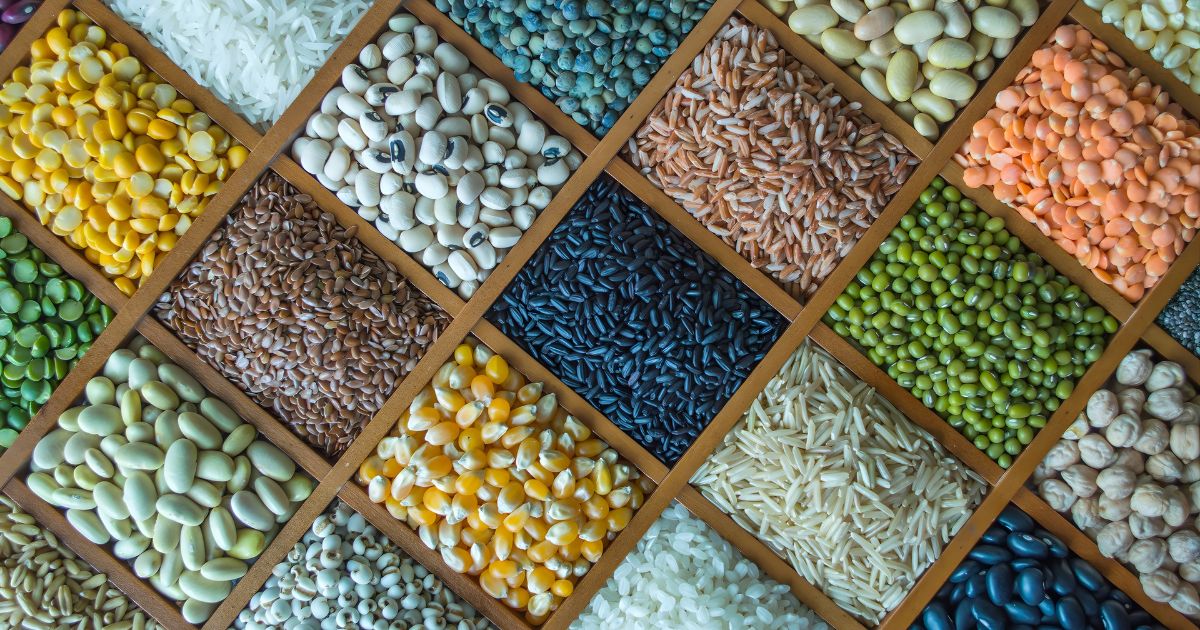
Before we dive into the list, let’s talk as a doctor and a life coach. Your body is a high-performance machine. If you fuel it with “empty” refined grains, the engine clogs. Refined grains have the bran (fiber) and germ (nutrients) stripped away, leaving only the endosperm (starch).
Research in 2025 has confirmed that a diet rich in whole grains can reduce the risk of Type 2 diabetes by up to 36% and lower the risk of heart disease significantly. As a yoga trainer, I see it every day: students who eat whole grains have more sustained “Prana” (energy) throughout their practice compared to the “sugar crash” of white rice eaters.
The Top 10 Healthiest Grains for 2025
1. Finger Millet (Ragi/Chodi) – The Bone Builder
As a mother, Ragi is my first recommendation. It is an absolute powerhouse of calcium-containing nearly 10 times more than wheat or rice.
- The Benefit: Essential for growing children and menopausal women to prevent osteoporosis.
- Chef’s Tip: Don’t just make porridge. Ferment Ragi batter overnight for Dosas to improve bioavailability and gut health.
2. Foxtail Millet (Korra) – The Nervous System Ally
Foxtail millet is rich in Vitamin B12, which is rare in plant-based grains.
- The Benefit: It supports healthy nerve function and is a low-glycemic index (GI) hero for diabetics.
- Nutritionist’s Note: It’s an excellent substitute for rice in Pulaos and Biryanis because it maintains a distinct grain texture.
3. Quinoa – The Complete Protein
Though technically a seed, we treat it as a grain. In 2025, it remains a “gold standard” because it contains all nine essential amino acids.
- The Benefit: Perfect for vegetarians needing high-quality protein for muscle repair.
- Cooking Secret: Always rinse quinoa under cold water for 2 minutes to remove saponins, which can cause a bitter taste.
4. Steel-Cut Oats – The Heart’s Best Friend
Move over, instant oats. Steel-cut oats are the least processed and highest in Beta-glucan, a soluble fiber that literally “mops up” bad cholesterol (LDL) from your arteries.
- The Benefit: Weight management. They take longer to digest, keeping you full until lunch.
- Money Tip: Buy them in bulk; they have a long shelf life and are much cheaper than fancy “weight loss” cereals.
5. Sorghum (Jowar) – The Gluten-Free Powerhouse
Jowar is a staple in many Indian households for a reason. It is packed with polyphenols and antioxidants that fight cellular inflammation.
- The Benefit: Great for digestive health and those with gluten sensitivity.
- Chef’s Tip: Jowar rotis are best made with warm water to keep the dough pliable without the need for wheat “glue.”
6. Buckwheat (Kuttu) – The Metabolic Booster
Despite its name, buckwheat is gluten-free. It contains Rutin, a phytonutrient that improves blood circulation.
- The Benefit: Excellent for blood pressure management.
- Lifestyle Blogger Tip: Buckwheat pancakes (with a drizzle of honey) are the ultimate “aesthetic” and healthy Sunday brunch.
7. Barley (Yavalu) – The Kidney Cleanser
Barley is one of the oldest cultivated grains. It’s incredibly high in fiber-both soluble and insoluble.
- The Benefit: Historically used in Ayurveda to “cool” the body and support kidney function.
- Doctor’s Advice: Drinking barley water is a time-tested remedy for urinary tract health.
8. Amaranth (Rajgira) – The Immortality Grain
The Aztecs called it the food of immortality. It is higher in Iron and Magnesium than almost any other grain.
- The Benefit: Combats anemia and supports heart rhythm.
- Chef’s Tip: You can “pop” amaranth just like popcorn! It’s a fantastic, nutrient-dense snack for kids.
9. Brown Rice (Unpolished) – The Safe Staple
If you cannot give up rice, switch to unpolished brown or red rice.
- The Benefit: It retains the Selenium and Manganese that white rice loses.
- Cooking Insight: Soak it for at least 2 hours before cooking to reduce phytic acid and speed up the cooking time.
10. Pearl Millet (Bajra/Sajja) – The Winter Warrior
Bajra is exceptionally high in Magnesium and Zinc, which are crucial for immunity.
- The Benefit: It has a “thermogenic” effect, meaning it helps keep the body warm, making it perfect for colder months.
- Chef’s Tip: Pair Bajra Rotis with a dollop of fresh ghee and jaggery for a complete, mineral-rich meal.
The Quality of the Vessel: Material Matters
As an expert in utensil quality, I must warn you: What you cook in is as important as what you cook.
- Cast Iron: Ideal for slow-cooking millets. It adds a touch of dietary iron to your food.
- Clay Pots (Unglazed): The porous nature of clay allows heat and moisture to circulate, preserving the delicate B-vitamins in grains.
- Stainless Steel (18/10 Grade): The safest non-reactive choice for boiling grains like quinoa or barley.
- Avoid: Scratched non-stick pans. High-fiber grains can act as an abrasive, causing the toxic Teflon coating to leach into your healthy meal.
A Life Coach’s Conclusion: Small Swaps, Big Life
In our Mana Vantillu, we don’t just cook; we nourish. Transitioning to these grains doesn’t have to happen overnight. Start by mixing 25% millet with your regular rice. Your palate will adjust, your energy will soar, and your medical bills will shrink.
Eating well is a form of self-respect. You are choosing to give your body the best “building blocks” available in nature.