DishesAs a nutritionist, a mother, and a chef, I’ve spent decades observing one undeniable truth: the atmosphere of a home is set in the kitchen at 7:00 AM. In our culture, “Mana Vantillu” (Our Kitchen) isn’t just a room where food is prepared; it is the heart of the home, a pharmacy for the family, and a temple of wellness.
From a clinical perspective, breakfast is the most critical metabolic trigger of your day. After a night of fasting, your body requires a specific balance of complex carbohydrates, bioavailable proteins, and essential fats to regulate cortisol levels and stabilize blood glucose. But as a life coach and a foodie, I know that if the food doesn’t taste like a “hug in a bowl,” you won’t stay consistent with your health goals.
Indian breakfast philosophy is deeply rooted in Ayurveda, emphasizing seasonal eating and the “Agni” (digestive fire). Modern science is only now catching up to what our grandmothers knew: the combination of fermentation, steaming, and tempering spices (tadka) creates a nutritional powerhouse that outperforms any sugary cereal or processed protein bar.
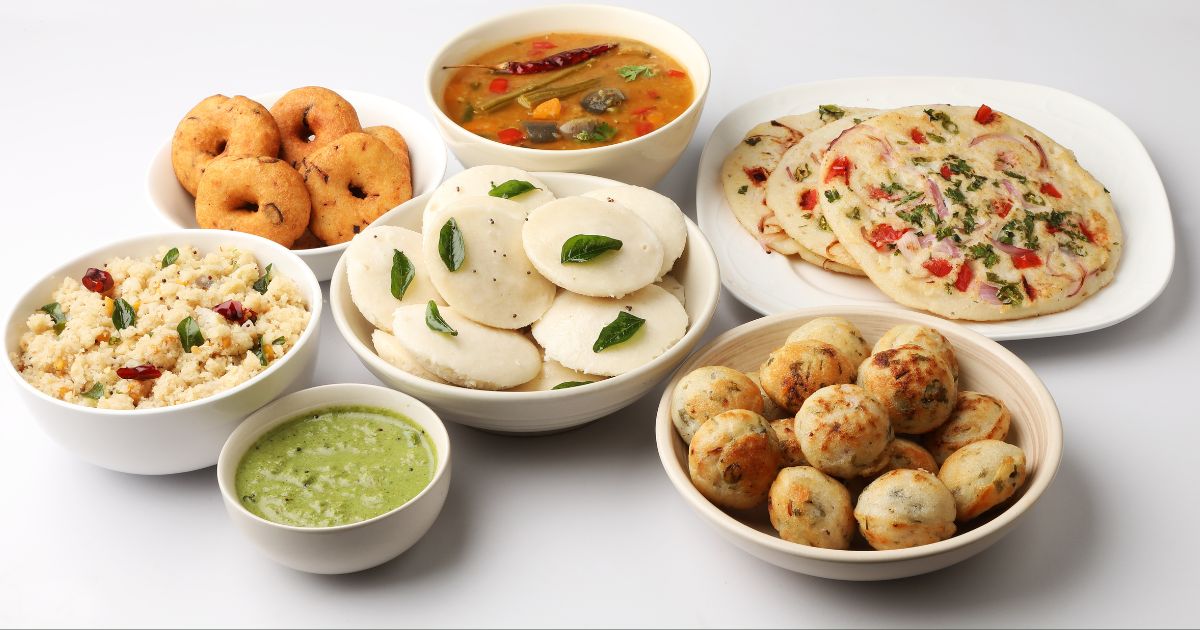
Below, I have curated the top 11 Indian breakfast dishes that are non-negotiable for a vibrant lifestyle. These aren’t just recipes; they are lifestyle choices that balance your budget, your time, and your health.
1. The Gold Standard of Gut Health: Traditional Idli
If I were to prescribe one food as a doctor, it would be the humble Idli. Why? Because it is a marvel of biological engineering. The fermentation process of urad dal and rice breaks down anti-nutrients and lectins, making the minerals easier for your gut to absorb.
- The Nutritionist’s Take: It’s a complete amino acid profile. When you combine cereal (rice) and pulse (dal), you get all the essential proteins your body cannot produce on its own.
- The Chef’s Secret: Use a high-quality soapstone or stainless steel steamer. Avoid cheap plastic molds which can leach endocrine disruptors into your food at high temperatures.
- Pro Tip: For a low-glycemic index version, swap white rice with foxtail millet or brown rice.
2. Poha: The Iron-Rich Energy Booster
Poha (flattened rice) is the ultimate “busy mom” breakfast. It’s light on the stomach but heavy on nutrition. Because the rice is parboiled before being flattened, it retains much of the iron content often lost in polished rice.
- The Money Manager’s View: Poha is incredibly cost-effective. One bag can feed a family of four for a week, and it requires very little fuel (cooking time) to prepare.
- Lifestyle Hack: Always add a squeeze of lemon at the end. The Vitamin C in the lemon is essential for your body to actually absorb the non-heme iron present in the Poha.
3. Stuffed Parathas: The Sustained Release Fuel
Often unfairly labeled as “heavy,” a well-made Aloo, Gobi, or Paneer Paratha is a life coach’s dream for a productive morning. The complex carbs from whole wheat provide a slow, steady release of glucose, preventing that mid-morning energy crash.
- Material Quality Matters: Ditch the non-stick teflon pans. Use a heavy-duty Cast Iron Tawa. It distributes heat evenly and adds a trace amount of dietary iron to your bread.
- The Healthy Swap: Use A2 Gir Cow Ghee instead of refined oils. Ghee contains butyric acid, which heals the intestinal lining and boosts immunity.
4. Moong Dal Chilla: The Vegan Protein Powerhouse
For my yoga students, I always recommend Moong Dal Chilla. It is light, sattvic (pure), and incredibly high in protein. It supports muscle repair after a morning asana practice without making you feel lethargic.
- Chef’s Insight: Soak the dal overnight to reduce phytic acid. Blend it with ginger and green chilies to kickstart your metabolism.
- The Foodie’s Twist: Stuff it with grated beetroot and paneer for a colorful, antioxidant-rich meal that looks as good as it tastes.
5. Upma: The Versatile Semolina Porridge
Upma is often misunderstood, but when made with roasted Suji (semolina) and loaded with vegetables like carrots, beans, and peas, it becomes a fiber-rich masterpiece.
- Doctor’s Note: Suji is rich in magnesium and phosphorus, which are vital for bone health and nerve function.
- Home Maker’s Wisdom: Always roast your semolina until it smells nutty before cooking. This prevents the Upma from becoming sticky and ensures a fluffy texture that children love.
6. Misal Pav: The Probiotic & Spice Therapy
Hailing from Maharashtra, Misal is a spicy curry made from sprouted moths beans. As a life coach, I love this dish because it challenges the palate and awakens the senses.
- The Nutritionist’s Take: Sprouting increases the vitamin C and B-complex content of the beans by nearly 30%. It’s a living food.
- Lifestyle Tip: Ensure your “Pav” (bread) is sourdough or whole wheat to maintain the integrity of this high-protein meal.
7. Appam with Vegetable Stew: The Healing Coconut Cure
This South Indian classic is the epitome of “Food as Medicine.” The Appam is fermented, while the stew is simmered in fresh coconut milk.
- Doctor’s Insight: Coconut milk contains Lauric Acid, which is also found in mother’s milk. It’s anti-fungal, anti-bacterial, and great for heart health.
- Material Quality: Use a traditional “Appachatti” (cast iron hopper pan). The seasoned iron gives the Appam those perfect lacy, crispy edges.
8. Dhokla: The Steamed Snack for Weight Management
If you are looking to manage your weight without sacrificing flavor, Besan (gram flour) Dhokla is your best friend. It is steamed, not fried, and has a low glycemic index.
- The Life Coach’s Advice: Success is about preparation. You can prep the batter the night before, making your morning routine stress-free.
- Nutritional Perk: Besan is high in folate, which is crucial for brain function and emotional regulation.
9. Puri Bhaji: The Soul-Satisfying Weekend Ritual
While not an everyday meal, a Sunday Puri Bhaji is essential for emotional well-being. Food is not just fuel; it’s a medium for family bonding and joy.
- The Chef’s Health Tip: Fry your Puris at a high temperature. If the oil is too cool, the dough absorbs more fat. Use cold-pressed groundnut oil or mustard oil for a higher smoke point and better fatty acid profile.
- Money Management: Making this at home is 1/5th the cost of ordering in, and you control the quality of the oil—saving you thousands in long-term healthcare costs.
10. Rava Dosa: The Instant Energy Solution
No time for fermentation? Rava Dosa is the answer. Made with semolina, rice flour, and spices, it provides an instant crispiness that satisfies the soul.
- Yoga Trainer’s Tip: Add plenty of crushed black pepper and cumin (jeera). These spices aid in respiratory health and clear the sinuses—perfect for those who practice Pranayama in the morning.
- The Writer’s Perspective: The texture of a Rava Dosa—holey and crisp—is a metaphor for life. It doesn’t have to be perfect to be wonderful.
11. Adai: The Dense Multi-Lentil Crepe
Adai is the “Powerhouse Dosa.” It uses a blend of Toor dal, Urad dal, Chana dal, and Moong dal. It is significantly denser and more filling than a regular Dosa.
- The Mother’s Strategy: If you have picky eaters who won’t eat lentils in curry form, Adai is the perfect “stealth health” food. It’s crispy, savory, and packed with fiber.
- Nutritional Highlight: High fiber content ensures you stay full until lunch, eliminating the need for sugary mid-morning snacks.
The Mana Vantillu Philosophy: Utensils and Mindset
As an expert in material quality, I cannot stress this enough: What you cook in is as important as what you cook. 1. Transition away from Aluminum: Aluminum is a reactive metal that has been linked to neurological issues over long-term exposure. 2. Embrace Clay and Iron: Cooking your breakfast sambar in a clay pot preserves 100% of the nutrients. Using cast iron for your Dosas naturally fortifies your food with iron. 3. Mindful Consumption: In our kitchen, we practice “Annadata Sukhibhava.” We eat with gratitude. As a life coach, I tell my clients that eating while stressed turns even the healthiest food into toxins (Ama) in the body. Sit down, keep the phone away, and enjoy the flavors.
Final Thoughts for the Modern Reader
Living a high-quality life doesn’t require expensive supplements or “superfoods” imported from across the globe. The superfoods are already in your pantry. Whether it’s the fermented batter of an Idli or the iron-rich flakes of Poha, Indian breakfasts are a masterclass in culinary medicine.
By choosing these 11 dishes, you are not just eating; you are investing in your long-term health, supporting local agriculture, and keeping our rich culinary heritage alive in Mana Vantillu.