The Hidden Architecture: Why Calcium Matters More Than You Think
Most people view bones as static, rock-like structures. In reality, your bones are living, breathing tissues that are constantly being broken down and rebuilt. As a doctor and life coach, I often tell my clients: “Your skeleton is like a biological savings account.”
During our younger years, we “deposit” calcium to build peak bone mass. By the time we hit our 30s, the “withdrawal” phase often begins. If the body doesn’t get enough calcium from food, it simply “steals” it from your bones to keep your heart beating and muscles contracting. Over time, this leads to thinning bones, or osteoporosis.
But here is the good news: through the right lifestyle choices, mindful cooking, and choosing the correct materials for our kitchen utensils, we can slow down bone loss and even improve density at any age.
Top 10 Calcium-Rich Foods for Stronger Bones
When we think of calcium, the first image is usually a glass of milk. While dairy is excellent, the world of nutrition is much wider. Here are the top 10 powerhouses for your kitchen:
1. Ragi (Finger Millet): The Ancient Super-Grain
As a mother, Ragi is my secret weapon. It contains nearly 344mg of calcium per 100g-almost three times more than milk! It is gluten-free and has a low glycemic index, making it perfect for both growing children and diabetic elders.
- Chef’s Tip: Don’t just make porridge. Try Ragi Malt, Ragi Dosas, or even Ragi chocolate pancakes for picky kids.
2. Seeds (Chia, Sesame, and Poppy)
These tiny giants are nutritional goldmines. Sesame seeds (Til) are particularly potent in the Indian diet. Just one tablespoon of poppy seeds provides a significant chunk of your daily requirement.
- Nutritionist’s Note: Sesame seeds are rich in zinc and copper, which are essential co-factors for bone mineral density.
3. Paneer and Natural Yogurt
For a “Foodie” like me, paneer is more than just a protein source; it’s a calcium delivery system. Yogurt (Curd) is even better because the fermentation process makes the calcium easier for the gut to absorb.
- Money Management Tip: Making curd at home is 50% cheaper than buying plastic-packaged versions and contains zero preservatives.
4. Dark Leafy Greens (The Non-Dairy Heroes)
Collard greens, kale, and bok choy are phenomenal. However, a common mistake is relying on spinach for calcium. While spinach has calcium, it is also high in oxalates, which block absorption.
- Doctor’s Advice: Focus on low-oxalate greens like kale or moringa (drumstick leaves) for better bioavailability.
5. Sardines and Canned Salmon
If you are a non-vegetarian, these are elite sources. Why? Because you eat the soft, tiny bones. These fish also provide Vitamin D and Omega-3s, creating a “bone-health trifecta.”
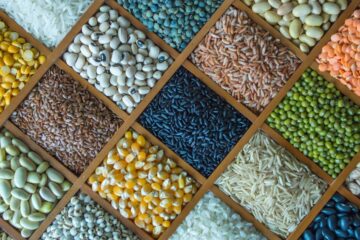
6. Beans and Lentils (Dals)
Chickpeas (Chana) and horse gram (Ulavalu) are traditional Indian staples that pack a punch. They offer fiber and magnesium, which helps the body transport calcium to the bones rather than letting it sit in the blood vessels.
7. Almonds
Among all nuts, almonds are the kings of calcium. About 22 nuts provide 8% of your daily value.
- Lifestyle Blogger Tip: Carry a small pouch of roasted almonds in your bag to avoid unhealthy snacking while traveling.
8. Tofu (Calcium-Set)
For vegans, tofu is a lifesaver. Ensure you check the label for “Calcium-Sulphate” as a coagulant. This version can provide over 800mg of calcium in just half a cup!
9. Figs (Anjeer)
Dried figs are nature’s candy. They provide more calcium than any other dried fruit and are packed with potassium and Vitamin K, which prevent calcium from being excreted through urine.
10. Fortified Foods and Millets
Modern staples like fortified soy milk or orange juice can bridge the gap for those with lactose intolerance. Amaranth (Rajgira) is another gluten-free seed that acts like a grain and provides excellent calcium.
The “Mana Vantillu” Secret: It’s Not Just What You Eat, But How You Cook It
As an expert in the material quality of utensils, I cannot stress this enough: your cookware affects your nutrition.
- Clay Pots (Matti Patralu): The porous nature of clay allows heat and moisture to circulate evenly, retaining nearly 95% of the nutrients. The alkaline nature of clay also neutralizes the acidity in food, which is crucial because a highly acidic body “leaches” calcium from bones to balance its pH.
- Cast Iron (Inapa Karahi): While iron pans are famous for iron, they are also excellent for slow-cooking calcium-rich dals and greens without the chemical leaching found in non-stick (Teflon) pans.
- Brass and Bronze: Traditional Indian “Kanchu” or “Pital” vessels are excellent for slow-cooking. They retain about 90% of food nutrients compared to only 60% in modern aluminum pressure cookers.
Bioavailability: The “Missing Link” in Bone Health
You could eat all the calcium in the world, but if your body doesn’t absorb it, it’s wasted money and effort. As a yoga trainer, I emphasize the “Lifestyle Triangle”:
- Vitamin D (The Key): Think of Vitamin D as the “gatekeeper” that lets calcium into your bloodstream. Spend 20 minutes in the morning sun or take a supplement if your doctor recommends it.
- Magnesium & Vitamin K2: These act like a GPS, telling the calcium to go to your bones and teeth instead of your arteries or kidneys (where it can cause stones).
- Weight-Bearing Exercise: As a yoga teacher, I recommend poses like Vrikshasana (Tree Pose) or Utkatasana (Chair Pose). Your bones only get stronger when they are “stressed” by gravity and muscle pull.
Practical Tips for the Modern Homemaker
Managing a kitchen budget while ensuring health is an art. From a money management perspective, supplements are often expensive and can cause constipation or kidney issues if overused.
- Natural over Synthetic: It is almost always cheaper and safer to get your calcium from whole foods.
- The “Sprouting” Hack: Sprouting your lentils and grains reduces phytic acid, which is a “nutrient thief” that prevents calcium absorption.
- Avoid the Caffeine Trap: Too much tea or coffee can cause calcium to be washed out of your system. Limit yourself to two cups a day, away from your main meals.
Final Thoughts from the Life Coach
Strong bones are about more than just avoiding fractures; they are about freedom. Freedom to walk, to play with your grandkids, and to live an independent life well into your 80s.
Start today. Replace that white rice with a Ragi or Amaranth mix once a week. Switch one non-stick pan for a traditional clay or cast-iron pot. Your future self will thank you for the “deposits” you are making today.