Why vitamin D matters – a friendly, practical background
Vitamin D isn’t just a “bone vitamin.” It helps your bones and muscles stay strong, supports immune function, and affects energy and mood. Most people get the lion’s share of vitamin D from sunlight, but modern indoor life, air pollution, skin coverage, latitude and seasons mean many of us need to look at food (and sometimes supplements) to keep levels healthy. Food alone can help-especially when you choose concentrated sources and fortified staples thoughtfully. For clinical guidance on intake and deficiency, refer to major authorities such as the U.S. National Institutes of Health and public health services.
Quick context you’ll use while reading:
- Two bioforms exist in foods: vitamin D3 (cholecalciferol)-mainly from animal sources and more effective at raising blood levels-and vitamin D2 (ergocalciferol)-found in UV-exposed mushrooms and some fortified plant foods. Food and sun together determine your vitamin D status.
- Public recommendations vary, but a practical Daily Value for labeling is 20 µg (800 IU) for adults; some clinical bodies recommend higher amounts for people at risk of deficiency. Discuss testing and doses with your clinician if you suspect low levels.
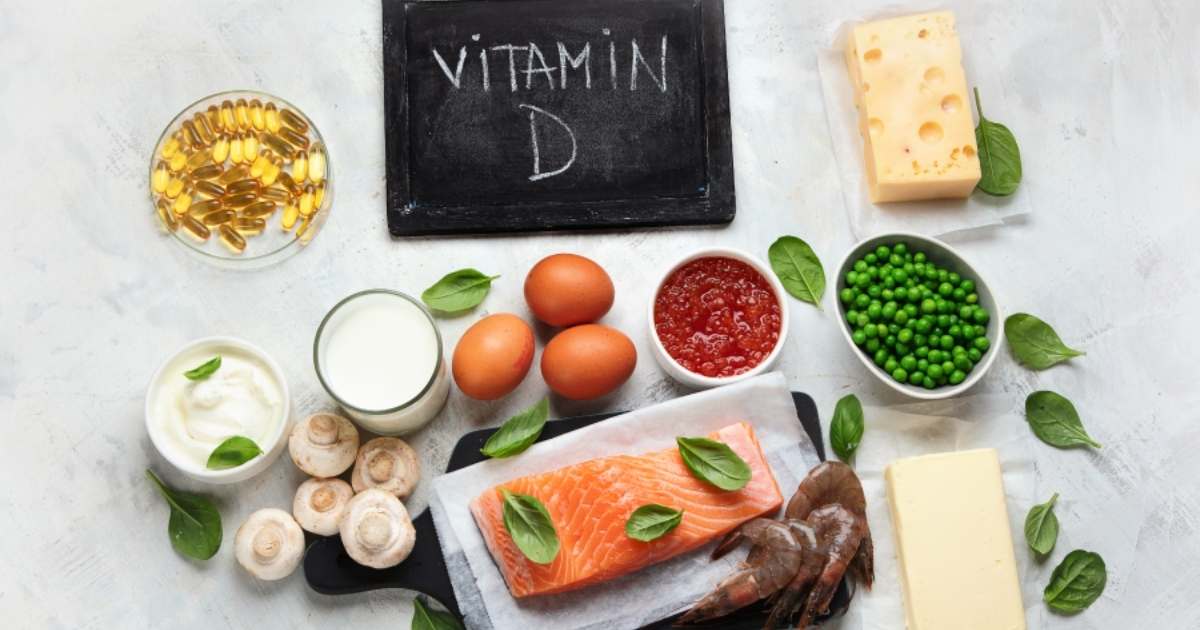
Below I weave clinical sense (doctor + nutritionist), kitchen know-how (chef + homemaker), budget smarts (money manager), utensil advice (material expert), and lifestyle tips (yoga trainer + life coach) into an easy-to-use list of the 17 best food sources of vitamin D with simple serving ideas and practical notes.
How to use this guide
- Read the list and pick 4–6 foods you enjoy or can access easily.
- Pair vitamin D foods with a small source of fat (oil, ghee, nuts, yogurt) to improve absorption.
- If you’re vegetarian/vegan, focus on UV-exposed mushrooms and fortified plant foods.
- If you’re on medication, pregnant, nursing, or have a chronic condition, consult your doctor before major diet or supplement changes.
The Best 17 Everyday Food Sources of Vitamin D (with kitchen tips)
Below each food I give a short “why it’s good,” a practical serving example, and kitchen/utensil/budget tips so the advice is usable at home.
1. Cod liver oil – the concentrated old-school tonic
Why: Extremely high in vitamin D per teaspoon-historically used to treat rickets.
How to eat: 1 teaspoon (read label) as per clinician guidance; often taken alone or mixed into juice.
Tip: One of the most cost-effective sources by IU; check for vitamin A content (high A can be an issue in pregnancy), and buy a reputable brand. Store in a dark glass bottle and refrigerate after opening.
2. Fatty fish – wild salmon (sockeye), mackerel, sardines, trout
Why: Fatty fish are the richest natural whole-food sources of vitamin D3.
Serving: 100–120 g cooked salmon provides a large portion of daily needs (varies by species). Canned sardines and mackerel are excellent alternatives.
Kitchen tip: Grill, bake or steam with a drizzle of olive oil (helps absorption). Canned oily fish are wallet-friendly, shelf-stable and great for salads and sandwiches.
3. Cod (and other white fish) – a practical everyday fish
Why: Lower fat than salmon but still provides vitamin D in meaningful amounts per serving.
Serving: Pan-seared or baked fillet with lemon and herbs-pair with a yogurt-based dip for fat to aid absorption.
4. Tuna (canned, in water or oil)
Why: Convenient, widely available source of vitamin D and protein.
Serving: Use canned tuna in salads, wraps, or mixed with millets. Opt for water-packed or drained in oil depending on calorie goals.
Budget tip: Canned tuna is usually cheaper than fresh fish and great for emergency pantry meals.
5. Egg yolks (from pasture-raised hens if possible)
Why: Egg yolks contain vitamin D3; eggs from pasture-raised hens tend to have higher levels.
Serving: 1–2 eggs for breakfast-omelettes, scrambled or boiled. Use whole eggs, not just whites, for vitamin D and other fat-soluble nutrients.
Utensil tip: Non-reactive pans (stainless steel or well-seasoned cast iron) and gentle cooking preserve nutrients and flavor.
6. Beef liver (in moderation)
Why: Organ meats like liver contain vitamin D and other micronutrients (iron, vitamin A).
Serving: Small portions (50–75 g) eaten occasionally-liver curry, pâté on whole-grain toast. Avoid during pregnancy because of high vitamin A.
Chef tip: Marinate briefly and cook gently to keep liver tender.
7. Fortified dairy milk (cow’s milk) and fortified plant milks (soy, almond, oat)
Why: Many countries fortify milk and plant-based milk alternatives with vitamin D-an easy everyday source. Check labels for IU per serving.
Serving: 1 cup (200–250 ml) in tea, cereal or porridge. Fortified milks are an easy way to boost intake across the family.
Budget tip: Store in glass bottles when possible and use for cooking porridge, batters and curries.
8. Fortified breakfast cereals
Why: Many ready-to-eat cereals are fortified with vitamin D and other micronutrients-useful for children and busy adults.
Serving: Pair cereal with fortified milk and a handful of nuts or seeds for fat and extra nutrition.
Label note: Compare labels-sugar varies widely between brands.
9. Fortified orange juice
Why: In some markets, orange juice is fortified with vitamin D-useful for those who prefer juice.
Serving: 150–200 ml with breakfast (watch sugar content).
Practical note: Whole fruit is preferable for fiber; use fortified juice sparingly and check label for IU content.
10. Fortified yogurt and fortified dairy products
Why: Some yogurts and dairy spreads are vitamin D–fortified-an easy addition to meals and snacks.
Serving: Plain fortified yogurt with berries and ground flaxseed; use fortified spreads in moderation.
Utensil & storage: Glass jars keep yogurt fresher and avoid plastic leaching.
11. Fortified tofu and soy products
Why: Fortified tofu can be a vegan-friendly source of vitamin D (varies by product).
Serving: Stir-fried tofu, curries or salads-pair with sesame oil or peanut chutney for fat.
Label reminder: Fortification levels vary-read the nutrition facts.
12. UV-exposed mushrooms (shiitake, portobello, maitake)
Why: Mushrooms exposed to ultraviolet light produce vitamin D2; certain UV-treated mushrooms can provide substantial amounts.
Serving: Sautéed mushrooms in ghee/olive oil, added to omelettes, dals or curries. For vegans, UV-exposed mushrooms are the most realistic whole-food vitamin D option.
Kitchen tip: Dry sauté or roast to concentrate flavor; UV-treated varieties may be labeled.
13. Cheese (select types)
Why: Cheese contains small amounts of vitamin D (higher in some types depending on production and fortification). Hard cheeses and certain spreads can contribute to overall intake.
Serving: Small portions of cheddar, Swiss or mixed cheese in salads or with whole-grain crackers. Combine with fruit and nuts.
14. Shrimp and shellfish
Why: Shellfish and shrimp contain modest vitamin D and are good protein sources.
Serving: Stir-fried shrimp with vegetables or a prawn curry-use coconut milk and a spoon of oil for better absorption.
Sourcing tip: Choose sustainable, low-contaminant options when possible.
15. Margarine and fat spreads (fortified)
Why: In many countries spreads are fortified with vitamin D (and A), used to boost population intake.
Serving: Use small amounts on rotis or toast; opt for low-trans-fat varieties.
Caveat: Check labels for fortification levels and trans fats.
16. Ready-to-eat meal replacements or fortified powders
Why: Commercial meal replacements and some powders are fortified with vitamin D and can help busy people hit targets.
Serving: Use as directed-smoothies or porridge boosters.
Money tip: Compare IU per rupee/dollar-some fortified staples are more economical.
17. Homemade fortified cooking: combine fortified milk with staple recipes
Why: Using fortified milk, yogurt or fortified plant milk in household cooking (dals, khichdi, porridge, batters) distributes vitamin D across meals and makes intake consistent.
Serving idea: Make idli/dosa batters with fortified milk or use fortified milk in kheer/porridge.
Practical kitchen & absorption tips (chef + nutritionist + utensil expert)
- Fat helps: Vitamin D is fat-soluble-eat vitamin D foods with a little healthy fat (ghee, oil, yogurt, nuts) to improve absorption. This is a low-effort, high-impact habit.
- Cooking: Gentle cooking (baking, steaming, grilling) preserves vitamin D better than high-temperature frying. Cover pans to avoid excessive nutrient loss. Use stainless-steel or well-seasoned cast iron cookware for even heat.
- Storage: Store oils and cod liver oil in dark glass bottles; keep fortified milks refrigerated and cereals in airtight glass jars. Avoid storing acidic foods for long in aluminum containers.
- Label literacy: Check the Nutrition Facts panel for “vitamin D (mcg/IU).” Fortified foods vary widely-don’t assume all milks, cereals or yogurts are fortified.
Budget & shopping advice (money manager + homemaker)
- Canned oily fish (sardines, mackerel, tuna) and fortified milk are cost-effective daily options.
- Bulk-buy fortified cereals and keep in airtight glass containers to reduce unit cost.
- UV-exposed mushrooms are often affordable when in season and store well when cooked or dried.
- Cod liver oil bottles deliver high IU per rupee/dollar-use under medical guidance.
Who needs extra attention (doctor’s corner)
- People with limited sun exposure (shift workers, those living at high latitudes or covered clothing), older adults, people with dark skin, people with malabsorption (celiac, Crohn’s), and those on weight-loss or other restrictive diets are at higher risk of low vitamin D and might need testing or supplements. Food helps, but testing and clinical guidance matter.
Quick sample day to include vitamin D-rich foods
- Breakfast: Omelette with mushrooms (UV-exposed) + fortified milk tea.
- Lunch: Salad with canned sardines, avocado and whole-grain roti.
- Snack: Fortified yogurt with berries.
- Dinner: Baked salmon or tofu curry made with fortified soy milk and a side of sautéed greens.
Safety & supplementation note (doctor + life coach)
- If blood tests show deficiency, clinicians often prescribe supplements (D3 preferred for most adults) because food alone may be insufficient for severe deficiency. Don’t self-prescribe high-dose vitamin D without medical advice-monitoring matters.
- Beware of very high intakes from cod liver oil + supplements (vitamin A toxicity risk) and follow clinical guidance.
Final checklist – make vitamin D easy at home
- Keep 2–3 vitamin D sources on your weekly shopping list (e.g., canned salmon, eggs, fortified milk).
- Add a small healthy fat to vitamin D foods (a drizzle of oil or a few nuts).
- Use fortified staples for family-wide coverage-fortified milk, cereal or yogurt are practical.
- If you’re vegan: prioritize UV-exposed mushrooms, fortified plant milks and fortified tofu.
- Get bloodwork if you suspect deficiency; pair dietary changes with clinician advice.
Sources & further reading
For the most reliable, up-to-date clinical and food composition information I leaned on: the U.S. National Institutes of Health (Office of Dietary Supplements) vitamin D fact sheet; USDA/NAL nutrient files for vitamin D content; the UK NHS vitamin D guidance; and clinical reviews on vitamin D metabolism and recommendations. These provide the scientific backbone to the practical tips above.
Parting note from Mana Vantillu (Our Kitchen)
Think of vitamin D as a team effort between sunlight, smart food choices and small kitchen habits. Start by adding one convenient source to every other meal: an egg at breakfast, a serving of fortified milk at lunch, and a fish or mushroom dish twice a week. Small, consistent changes are what keep bones strong, energy steady, and families thriving-one plate at a time. If you want, I can create a printable 7-day menu using these 17 foods tailored to vegetarian, non-vegetarian, or vegan households-tell me which and I’ll draft it kitchen-ready.