Background – why millets deserve a permanent place on your plate
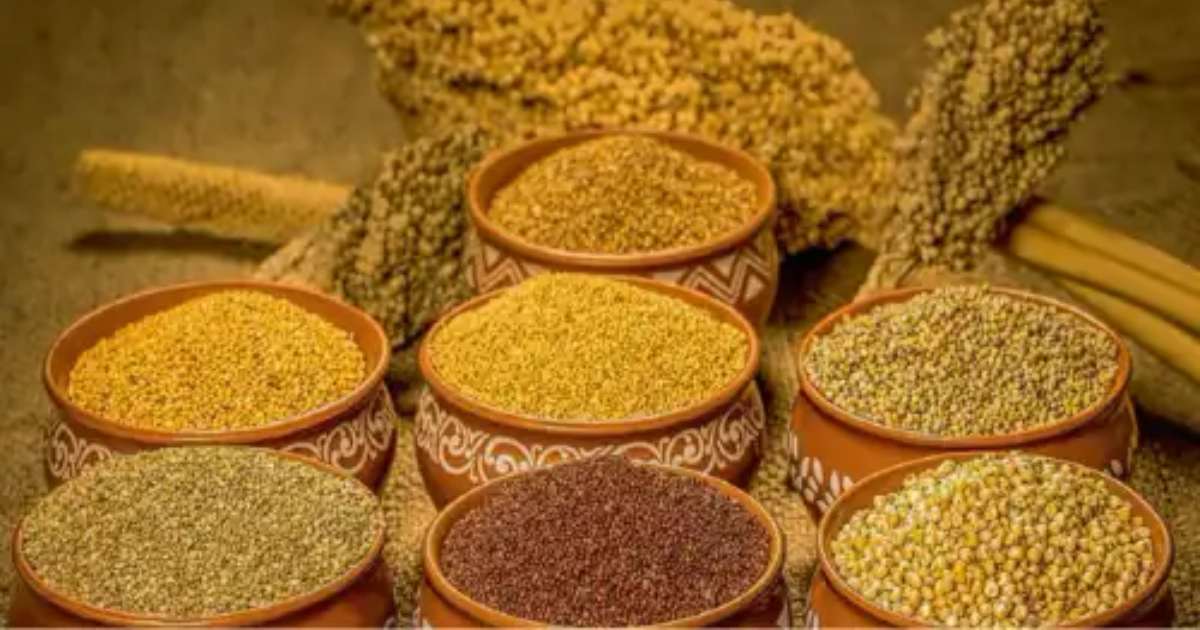
Millets are ancient grains with a modern comeback. Small, hearty, and grown in many parts of India for centuries, millets (ragi, jowar, bajra, foxtail, little millet, kodo, proso, barnyard and more) were once everyday staples. Over time, refined rice and wheat dominated plates – but rising interest in nutrition, climate-resilient farming and variety in the kitchen means millets are back.
As a nutritionist, homemaker, mother, chef, yoga trainer, life coach, doctor, money manager, foodie, utensil-quality expert and lifestyle blogger all rolled into one (yes, that hat rack is full), I want you to understand millets not as a fad but as a practical, affordable, nutrient-dense family food. Below we’ll break down the top 10 nutritional benefits, explain how and why those benefits matter, and give kitchen-tested tips, meal ideas, storage and utensil notes so you can weave millets into everyday life without drama.
Quick orientation: What counts as “millet” and why variety matters
“Millet” is a group term for small-seeded cereal grains that are gluten-free and hardy in dry climates. Each millet has its own texture and nutritional profile. Use different millets in rotation – they complement each other in taste, texture and micronutrients, and variety keeps meals interesting for kids and adults alike.
Top 10 Nutritional Benefits of Millets (explained, practical, kitchen-ready)
1. High in complex carbohydrates and low glycemic index – steady energy, happier blood sugar
What it means: Millets digest more slowly than refined grains, delivering steady glucose to your bloodstream rather than sharp sugar spikes.
Why it matters: Stable blood sugar keeps energy even, reduces cravings, supports weight control and helps people with insulin resistance.
How to use it in the kitchen: Prefer whole-millet preparations (whole grains, broken ragi or bajra flour in rotis) instead of highly processed millet products. Pair with protein and fiber (dal + millet khichdi, or millets with vegetables and yogurt) to further lower glycemic impact.
Practical tip (doctor + nutritionist): If you have diabetes or prediabetes, swap one meal a day with a millet-based plate and monitor your response.
2. Rich source of dietary fiber – digestion, satiety and gut health
What it means: Millets have soluble and insoluble fiber that supports bowel regularity and feeds beneficial gut bacteria.
Why it matters: Fiber helps prevent constipation, supports a healthy microbiome (important for immunity and mood), and increases fullness so you eat less overall.
How to cook: Make millet salads, upmas, or porridges. Keep the grain slightly al dente to preserve texture and fiber.
Homemaker tip: Soaking millets overnight reduces cooking time and may make digestion gentler, especially for children and older adults.
3. Good plant-based protein content – muscle, repair, and satiety
What it means: Millets contain more protein than many refined cereals; while not a complete protein alone, they complement legumes beautifully.
Why it matters: For growing children, active adults, and the elderly, millets with pulses provide a near-complete amino-acid profile for tissue repair and strength.
Kitchen pairing: Bajra rotis + moong dal; ragi dosa + sambar; little millet khichdi with a spoon of ghee and a bowl of curd.
Money management tip: Pulses + millets are among the most cost-effective, high-quality protein combos in home cooking.
4. Micronutrient-dense – iron, calcium, magnesium and B-vitamins
What it means: Different millets contribute different micronutrients: ragi is particularly rich in calcium, foxtail and finger millets provide iron and B vitamins, and many millets supply magnesium and phosphorus.
Why it matters: Micronutrients support bone health, blood oxygen transport, energy metabolism and nervous system function. For vegetarians and those on tight budgets, millets are an affordable way to boost key nutrients.
How to maximize absorption: Pair iron-rich millets with vitamin C sources (lemon in salads, tomato chutney) to enhance iron absorption. Use millets as part of a balanced meal rather than a lone cereal.
Doctor’s note: If you have anemia or specific deficiencies, continue medical treatment while using millets as part of a long-term dietary plan.
5. Gluten-free and often easier to digest – safe for many with sensitivities
What it means: Millets are naturally gluten-free (except in rare cross-contamination scenarios) and are generally gentle on digestion.
Why it matters: People with celiac disease or non-celiac gluten sensitivity can use millets as a staple grain for rotis, porridges and baked goods. They add variety and nutrient advantages that refined gluten-free flours sometimes lack.
Kitchen safety: Buy millets and millet flours labelled “gluten-free” if you must avoid cross-contamination. Use separate utensils and storage if preparing for someone with celiac disease.
Utensil expert tip: Use glass jars and dedicated scoops for gluten-free staples to avoid cross-contact.
6. Heart-friendly properties – fibre, magnesium and healthy lipids
What it means: The fiber and micronutrients in millets (particularly magnesium) support cardiovascular health by helping maintain healthy blood pressure and cholesterol patterns.
Why it matters: Diet patterns that include whole grains with fiber correlate with lower risk of heart disease. Millets can be a low-cost part of a heart-healthy diet.
How to cook: Replace refined grains with millet options in a few meals weekly – millet pongal, bajra khichdi, or ragi idli – and use minimal ghee/oil, focusing on steaming and pressure-cooking.
Life-coach tip: Simple swaps (two millet meals a week) are easier to sustain than radical diet overhauls – build momentum slowly.
7. Low water and climate-resilient crop – sustainable nutrition
What it means: Millets require less water and are more drought-resistant than many common cereals.
Why it matters: Choosing millets supports food security and sustainable farming, which matters for family budgets and future food availability.
Money & environment tip: Buying local millet varieties supports small farmers and reduces carbon footprint. In the long run, millet-based diets are cheaper and kinder to the planet.
8. Antioxidant content – fight inflammation and cellular aging
What it means: Many millets contain polyphenols, phenolic acids and antioxidants that help reduce oxidative stress. Ragi and finger millet are particularly noted for antioxidant compounds.
Why it matters: Reduced oxidative stress supports healthy aging, skin health, and lowers chronic-disease risk. Including millets adds a dietary source of protective compounds beyond basic vitamins.
Foodie tip: Toasting millets lightly before cooking enhances flavor and preserves antioxidant properties while giving dishes a nutty aroma.
9. Versatile for all ages – baby food to senior-friendly meals
What it means: Millets can be made into soft porridges for babies, easy-to-chew khichdis for convalescents, and hearty rotis or pilafs for adults.
Why it matters: A single pantry staple can meet the family’s nutritional needs across life stages. Ragi porridge for toddlers, soft bajra rotis for elders with dentures, and millet salads for active adults – millets fit all.
How to prepare: Use millets in porridges with milk or fortified plant milk for infants (follow pediatric guidance), and in lightly spiced khichdis for elders to ensure digestibility.
10. Low in antinutrients when prepared properly – soak, ferment, sprout
What it means: Like many whole grains, millets have phytic acid and other antinutrients that can limit mineral absorption; traditional culinary techniques reduce these compounds.
Why it matters: Soaking, fermenting (dosa/idli batter), sprouting or roasting millets increases bioavailability of minerals and improves taste and texture.
How to do it: Soak millet grains for 6–8 hours before cooking; ferment batters overnight for idli/dosa; sprout millet where practical and dry-cook or lightly steam.
Chef + homemaker tip: Fermented millet batters add tang and depth to dishes and are gentler on the stomach – use the same techniques you use for rice/dal fermentation.
How to include millets into your family menu – practical ideas
- Breakfast: Ragi porridge with milk and jaggery; bajra or jowar rotis with chutney; millet upma.
- Lunch: Little millet khichdi + salad + curd; foxtail millet pulav with mixed veggies.
- Snacks: Millet bhel, roasted millet chivda, millet flour pancakes (savory).
- Dinner: Millet dosa with sambar, barnyard millet biryani, millet-stuffed parathas with paneer.
- Baking: Use millet flour (mixed with wheat or chickpea flour) for healthier breads, muffins and tikkis.
Storage, utensils and quality – practical material expert advice
- Storage: Keep millets in airtight glass jars in a cool, dark place. For long storage (>3 months), refrigerate or freeze to avoid pests and rancidity.
- Utensils: Use stainless steel or cast-iron cookware for even heat. Avoid reactive aluminum for acidic millet preparations. When making batters or porridges, use wooden or ceramic bowls to avoid metallic tastes.
- Buying: Buy whole grains when possible and mill at home for freshest flour; if that’s not feasible, buy from reputable brands that show harvest dates. Bulk purchases save money but always check for pests and moisture.
Budget & time-saving tips (money manager + homemaker)
- Rotate millets by week – buy 2–3 types in smaller quantities so nothing goes to waste.
- Batch-cook khichdi or porridge and refrigerate for 3–4 days or freeze portions.
- Make millet flour at home using a grinder – cheaper than packaged flours and fresher taste.
- Use leftovers creatively: millet pulao becomes cutlets; millet porridge can be thickened into breakfast bars.
A 4-week beginner’s plan – build millet habits without overwhelm
Week 1: Replace one meal (e.g., dinner) twice with millet dishes – millet khichdi, ragi roti. Soak millets overnight to get used to prep.
Week 2: Add millet breakfast twice (ragi porridge, millet upma). Try one millet-based snack (roasted millet mix).
Week 3: Introduce fermented millet dosa/idli once and one baked millet snack (millet muffins).
Week 4: Make a family millet day – all meals with different millets (breakfast ragi, lunch little millet khichdi, dinner bajra rotis) and note how energy and digestion feel.
Common questions – quick answers (doctor + life coach)
Q: Will millets make me lose weight?
A: Millets support weight management by increasing fullness and reducing overeating, but weight change depends on total calories and activity.
Q: Are millets safe for kids and pregnant women?
A: Yes – millets are nutritious. For infants, introduce as per pediatric guidance. Pregnant women benefit from millets’ iron and calcium, but continue prescribed supplements and screening.
Q: Do millets contain allergens?
A: Millets are not common allergens like peanuts or gluten. However, watch for cross-contamination if you cook in shared facilities.
Final thoughts – a mother’s kitchen and a nutritionist’s seal
Millets are more than nostalgia – they are practical, nutritious, climate-smart, and family-friendly grains that deserve a regular spot in the meal plan. Start small: pick one millet, learn two recipes, and rotate. The health wins are quiet but meaningful – better blood sugar balance, more fiber, important minerals, and a happier pocketbook. As a foodie, I love the flavors and textures; as a doctor and nutritionist, I love the nutrient package; and as a homemaker and mother, I love that they stretch the budget while feeding the family well.