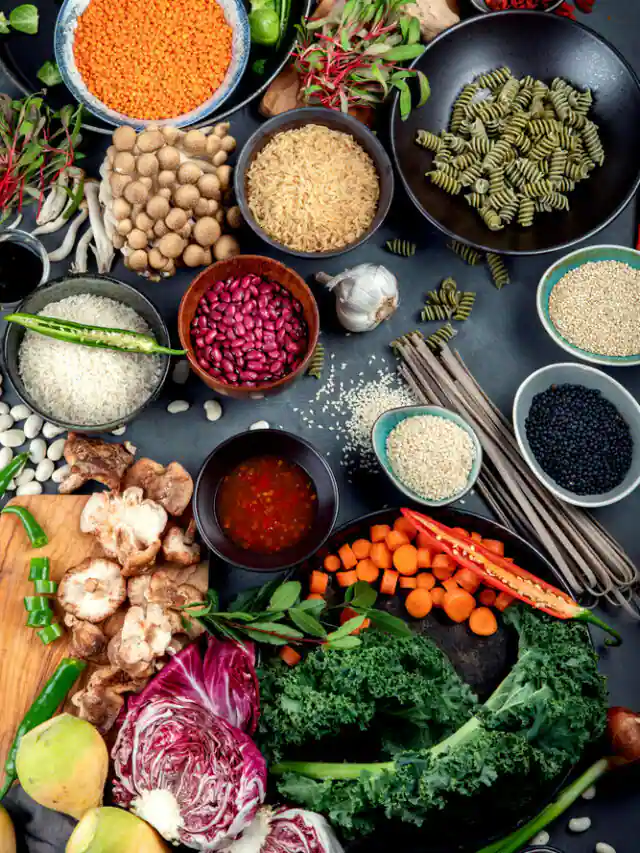
Background: Why Healthy Eating Habits Matter More Than Ever
Today’s food environment is very different from what our grandparents grew up with.
- Refined foods are cheaper and more accessible
- Portion sizes have increased
- Cooking time has reduced, but processing has increased
- Lifestyle diseases like diabetes, thyroid imbalance, PCOS, obesity, fatty liver, and gut issues are rising even among children
Healthy eating is no longer optional-it is preventive healthcare.
The good news?
You don’t need imported superfoods or extreme diets.
You need consistent habits built inside your own kitchen.
Tip 1: Stop Chasing Diets-Build Eating Habits
One of the biggest mistakes I see is people jumping from:
- Keto → Intermittent fasting → Juice cleanse → Detox teas
As a nutritionist and life coach, I strongly believe:
Diets end. Habits stay.
Healthy habit examples:
- Eating home-cooked food at least 80% of the time
- Including vegetables in both lunch and dinner
- Drinking enough water daily
- Eating mindfully, not in front of screens
Long-term health comes from boring consistency, not exciting shortcuts.
Tip 2: Respect Your Traditional Indian Food Wisdom
Indian food culture is one of the most balanced in the world when done right.
Our ancestors:
- Ate seasonal foods
- Used fermentation (idli, dosa, curd, kanji)
- Balanced all six tastes (sweet, sour, salty, bitter, pungent, astringent)
- Ate freshly cooked meals
Healthy eating does not mean avoiding:
- Rice
- Ghee
- Rotis
- Traditional snacks
It means:
>> Choosing the right quality
>> Correct portions
>> Proper cooking methods
A bowl of rice with dal, vegetable curry, curd, and ghee is nutritionally superior to many “diet meals”.
Tip 3: Prioritize Whole Foods Over Packaged Foods
As a doctor-minded nutritionist, this rule is non-negotiable.
Whole foods are foods that:
- Look close to how they grow
- Have minimal ingredients
- Can spoil naturally
Examples:
- Rice, millets, dals, vegetables, fruits
- Cold-pressed oils, ghee
- Nuts and seeds
Ultra-processed foods:
- Ready-to-eat meals
- Packaged snacks
- Sugary cereals
- Artificial drinks
Even if a packet says “healthy”, “low fat”, “diet”, always read the ingredient list.
If the ingredient list is longer than your finger, rethink it.
Tip 4: Eat According to Your Body, Not Social Media
What works for one person may harm another.
As a yoga trainer and nutritionist, I’ve seen:
- Some people thrive on millets
- Some develop bloating
- Some digest dairy well
- Some don’t
Healthy eating is individual.
Factors that matter:
- Age
- Gender
- Activity level
- Health conditions
- Climate
- Digestive strength
Instead of copying influencers, observe your body:
- Energy levels
- Digestion
- Sleep
- Mood
Your body is the best nutrition expert you will ever have.
Tip 5: Never Skip Breakfast-Fix It Instead
Skipping breakfast is one of the most damaging habits I see in working adults and students.
Breakfast:
- Regulates blood sugar
- Supports brain function
- Prevents overeating later
Healthy Indian breakfast ideas:
- Idli / dosa with vegetable sambar
- Vegetable upma
- Poha with peanuts
- Millet porridge
- Eggs with vegetables
- Homemade smoothies (not bottled ones)
A good breakfast sets the tone for the entire day.
Tip 6: Balance Your Plate, Not Just Calories
As a chef and nutritionist, I teach this simple rule:
The Balanced Plate Method:
- ½ plate vegetables
- ¼ plate protein (dal, paneer, eggs, curd, fish, legumes)
- ¼ plate carbohydrates (rice, roti, millets)
- Small amount of healthy fat (ghee, oil)
Calories matter, but nutrient balance matters more.
You can eat fewer calories and still be malnourished if nutrients are missing.
Tip 7: Cook the Right Way-Utensils Matter
As an expert in utensil material quality, I want to highlight something most blogs ignore.
Best cookware for healthy eating:
- Stainless steel (304 grade): Daily cooking, boiling, curries
- Cast iron: Dosas, rotis, vegetables (adds iron naturally)
- Clay pots: Slow cooking, dals, sambars
- Glass: Storage and reheating
Avoid:
- Scratched non-stick pans
- Cheap aluminum cookware
- Plastic storage for hot food
Healthy ingredients cooked in unhealthy utensils lose their value.
Tip 8: Practice Mindful Eating (This Is Life-Changing)
Mindful eating is not spiritual jargon-it is science-backed.
When you eat while:
- Watching TV
- Scrolling phone
- Working
Your brain doesn’t register fullness properly.
Mindful eating habits:
- Sit down to eat
- Chew slowly
- Eat without distractions
- Stop eating when 80% full
As a life coach, I’ve seen people lose weight and improve digestion without changing food, just by changing how they eat.
Tip 9: Hydration Is Part of Nutrition
Most people confuse hunger with dehydration.
Healthy hydration habits:
- Drink water throughout the day
- Start the day with warm water
- Include natural fluids: buttermilk, coconut water, soups
Avoid:
- Sugary drinks
- Excess packaged juices
- Overconsumption of cold drinks
Good hydration improves:
- Digestion
- Skin health
- Energy levels
- Appetite control
Tip 10: Eat Seasonal, Local, and Fresh
As a homemaker and foodie, this tip saves money and improves health.
Seasonal foods:
- Are fresher
- Have higher nutrient content
- Suit your body’s needs
Examples:
- Summer: cucumber, watermelon, buttermilk
- Winter: leafy greens, sesame, peanuts
- Monsoon: gourds, fermented foods
Local foods also reduce:
- Storage chemicals
- Transportation damage
Nature already knows what your body needs-trust it.
Tip 11: Progress Over Perfection
Healthy eating is not about being perfect every day.
There will be:
- Festivals
- Family functions
- Travel days
- Emotional eating moments
And that’s okay.
As a mother and life coach, I always say:
One healthy meal does not make you healthy. One unhealthy meal does not make you unhealthy.
Focus on:
- Consistency
- Awareness
- Self-compassion
A flexible mindset keeps healthy eating sustainable.
Final Thoughts: Healthy Eating Starts at Home
Healthy eating habits are not built in hospitals or gyms.
They are built in our kitchens.
At Mana Vantillu (Our Kitchen), we believe:
- Food should nourish, not confuse
- Health should be joyful, not stressful
- Tradition and science can coexist
If you implement even 3–4 tips from this blog consistently, you will notice:
- Better digestion
- Improved energy
- Stable weight
- Happier relationship with food
Want More from Mana Vantillu?
In upcoming blogs, we’ll share:
- Weekly healthy Indian meal plans
- Budget-friendly nutrition tips
- Traditional recipes with modern nutrition insights
- Healthy cooking methods and utensil guides
At Mana Vantillu, we believe good health begins at home – one mindful meal at a time.